
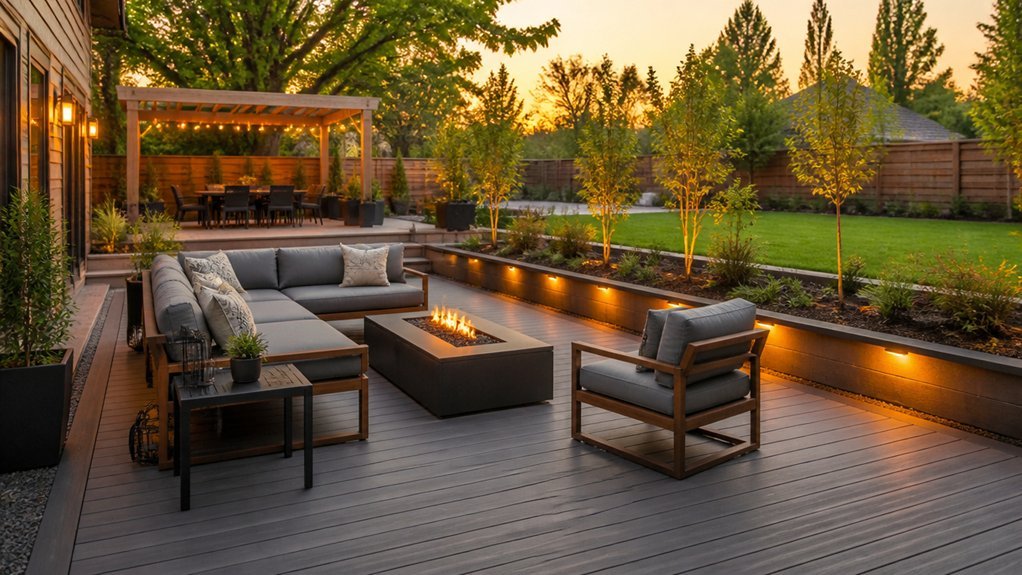
Backyard upgrades can meaningfully boost rental appeal and income when approached strategically. Breaking improvements into three investment tiers helps landlords match spending to property goals and tenant expectations.
For those keeping costs low, budget-friendly options like fresh mulch, solar pathway lights, and basic seating areas typically run under $2,000. These touches create immediate visual impact without straining finances.
Mid-range additions fall between $2,000 and $5,000, with composite decking ranking among the most popular choices. This tier balances durability with aesthetic improvement, often attracting tenants willing to pay slightly higher rents.
Premium features like built-in fire pits and outdoor kitchens exceed $5,000. While the upfront cost stings, these amenities can command premium rents and reduce vacancy periods in competitive markets. Returns vary widely though, since timing and tenant demographics ultimately determine which upgrades deliver the strongest payoff.
Best Backyard Upgrades by ROI and Recovery Timeline
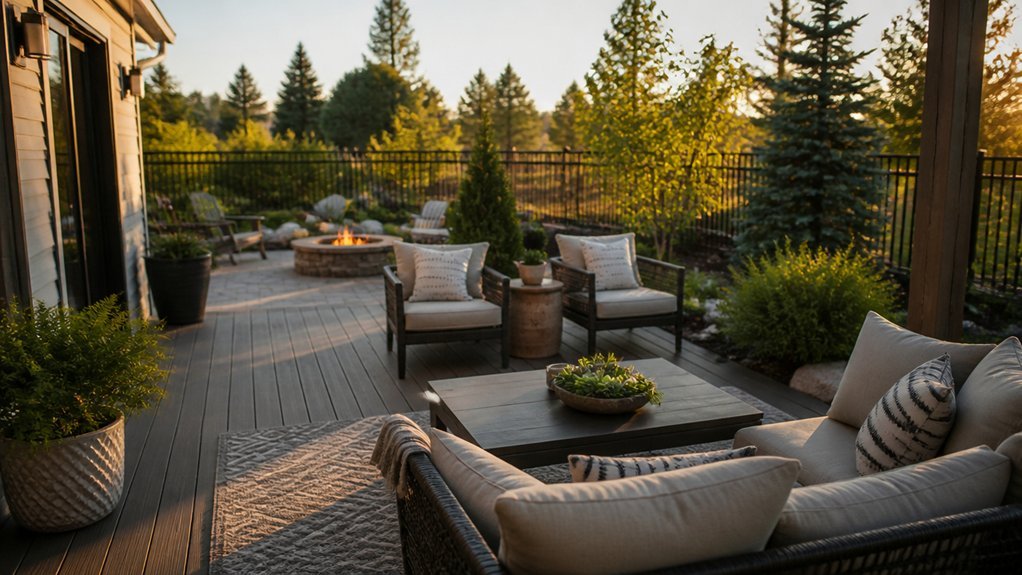
When planning backyard improvements for rental properties, property owners should prioritize upgrades that return the highest percentage of investment and recover costs quickly.
Deck installations typically recover 60-70 percent of costs, taking 3-5 years to break even.
Landscaping improvements, including shrub beds and mulch application, recover 50-60 percent within 2-3 years.
Outdoor lighting systems recover 55-65 percent over 4-6 years.
Fence repairs recover 40-50 percent within 5-7 years.
Swimming pools, despite high costs, recover only 20-30 percent.
Property owners should focus on durable, low-maintenance upgrades that appeal to renters while minimizing long-term maintenance expenses.
Budget-Friendly Upgrades Under $2,000: Landscaping and Lighting
Property owners operating within tight budget constraints can achieve meaningful rental appeal through landscaping and lighting improvements that cost under $2,000. Fresh mulch, native plants, and maintained lawn edges enhance curb appeal greatly.
Solar pathway lights, string lights, and motion-sensor fixtures illuminate outdoor spaces while reducing electricity costs. Landscape lighting highlights architectural features and increases evening usability. These upgrades require minimal ongoing maintenance and appeal to prospective tenants seeking move-in ready properties.
Strategic plant placement screens undesirable views, while improved visibility enhances security perceptions. Combined investments in landscaping and outdoor lighting create welcoming environments that justify rental rate increases.
Mid-Range Improvements ($2K–$5K): Patios, Decks, and Garden Beds
Expanding outdoor living spaces with patios, decks, and garden beds transforms backyards into functional areas that attract tenants and support higher rental rates.
Composite decking offers durability and low maintenance compared to wood.
Stamped concrete patios, typically costing $1,500–$3,000, create defined entertaining zones. Raised garden beds, priced at $500–$1,500, appeal to gardening-interested renters and improve curb appeal.
These improvements increase usable square footage, extend living areas beyond interior spaces, and demonstrate property investment to prospective tenants.
Strategic placement near entrances maximizes visibility and accessibility. Quality materials guarantee longevity, reducing replacement costs and maintenance demands over rental periods.
Premium Amenities ($5K+): Fire Pits, Water Features, and Privacy Solutions
High-end backyard features, fire pits, water elements, and screening structures elevate rental properties into luxury categories that command premium rates.
Built-in fire pits with seating areas create gathering spaces that attract tenants. Water features like fountains, ponds, or small pools add visual interest and ambient sound.
Privacy solutions, including vinyl fencing, bamboo screens, or hedges, increase property desirability by defining outdoor spaces.
These amenities require significant upfront investment, ranging from $5,000 to $15,000 or more, depending on materials and complexity.
However, they typically generate higher monthly rental income and reduce vacancy periods.
Low-Maintenance Landscaping That Reduces Tenant Turnover
While premium amenities attract renters, many property owners find that low-maintenance landscaping strategies prove equally valuable for tenant retention.
Drought-resistant plants, including ornamental grasses, native shrubs, and sedums, reduce watering demands and maintenance costs. Mulched beds suppress weeds, decreasing upkeep requirements. Artificial turf alternatives eliminate mowing entirely.
Hardscape features like pavers and gravel pathways require minimal care. Automated irrigation systems encourage consistent plant health without tenant involvement.
These choices lower property expenses while improving curb appeal. Tenants appreciate outdoor spaces requiring minimal effort, reducing complaints and extending lease renewals.
Strategic landscaping represents a cost-effective investment in rental property longevity.
Outdoor Lighting Upgrades: Safety, Ambiance, and Extended Living Space
Outdoor lighting transforms rental properties by improving safety, creating usable evening spaces, and increasing property appeal to prospective tenants. Path lights along walkways prevent trips and falls, while deck or patio lights extend entertaining areas into evening hours. Motion-sensor fixtures deter unwanted activity and reduce energy costs.
String lights or landscape uplighting add visual interest without excessive brightness. LED options lower electricity bills compared to traditional bulbs. Well-lit backyards appear larger and more inviting, encouraging tenants to spend time outdoors.
Strategic placement near seating areas, stairs, and entryways maximizes functionality. These upgrades require minimal maintenance and deliver measurable returns through increased tenant satisfaction and property marketability.
Privacy Fencing and Screening: What Renters Actually Value
Privacy fencing and screening complement outdoor lighting by creating defined, secluded spaces that tenants seek in rental properties. Renters value privacy for relaxation, entertaining guests, and shielding yards from neighboring properties.
Wood fencing, vinyl panels, and lattice structures offer varying durability and maintenance levels. Bamboo screening provides natural aesthetics with minimal upkeep. Strategic placement near patios or seating areas maximizes functional privacy.
These upgrades reduce noise transmission between units, a significant tenant concern. Quality fencing increases perceived property value and rental rates.
Installation costs range from moderate to substantial depending on materials and square footage covered.
Frequently Asked Questions
How Do Backyard Upgrades Affect Rental Rates Compared to Interior Home Improvements?
Backyard upgrades typically yield lower rental rate increases than interior improvements. While exterior enhancements boost appeal and property value, renters prioritize kitchen, bathroom, and living space upgrades, which command higher rental premiums and faster tenant acquisition.
What Permits or HOA Approvals Are Needed Before Installing Permanent Backyard Structures?
Property owners absolutely must navigate a bewildering maze of bureaucratic requirements before installing permanent backyard structures. Most jurisdictions demand building permits, while HOA communities require architectural approval. Local zoning laws and setback regulations also apply universally.
Can Tenants Damage Expensive Outdoor Amenities, and Who Bears Replacement Costs?
Yes, tenants can damage outdoor amenities. Landlords typically bear replacement costs unless damage results from tenant negligence. In such cases, landlords may deduct expenses from security deposits or pursue damages through legal means.
Which Backyard Upgrades Appeal Most to Families Versus Young Professionals or Retirees?
Families prioritize playgrounds, trampolines, and pools for children’s entertainment. Young professionals prefer fire pits, patios, and low-maintenance gardens for socializing. Retirees favor accessible pathways, comfortable seating areas, and shade structures for relaxation and mobility support.
How Should Landlords Protect Outdoor Investments During Tenant Transitions or Vacancies?
Landlords should document all outdoor features with detailed photographs before tenant occupancy, require rental agreements specifying maintenance responsibilities, conduct regular inspections, and schedule professional maintenance during vacancies to preserve landscaping, furniture, and hardscaping investments.
Conclusion
Backyard upgrades function as seeds planted in rental property soil. Budget options like mulch and solar lights establish foundational appeal; mid-range improvements such as patios create gathering spaces; premium amenities like fire pits bloom into tenant retention. These investments grow returns through reduced vacancy periods and increased rental income. Property owners choosing upgrades matching their budget level plant foundations for long-term financial growth, with each tier strengthening rental property competitiveness and tenant satisfaction.