
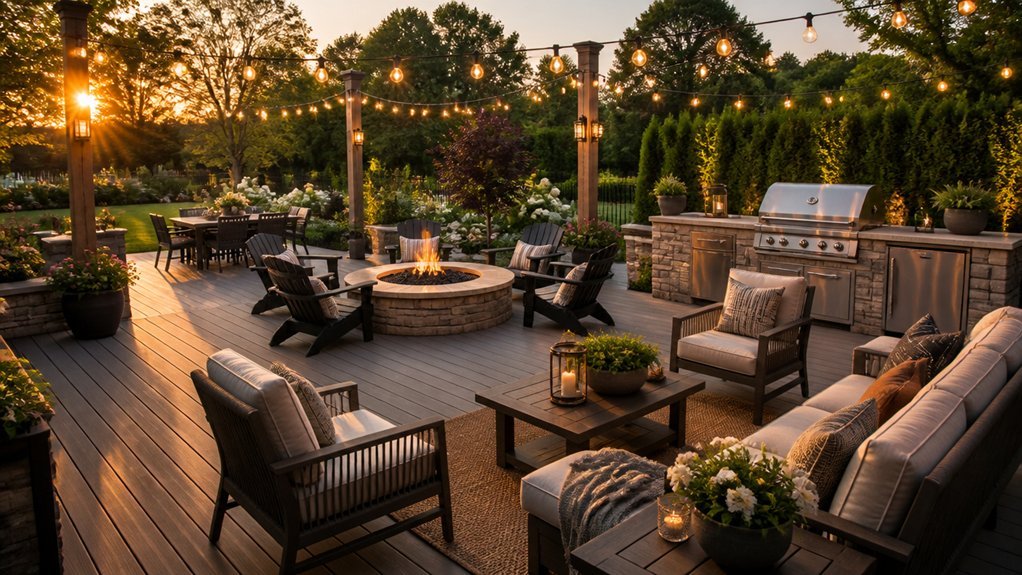
Defined outdoor spaces play a surprisingly large role in how tenants choose single-family rentals. Patios and backyards that clearly separate dining, lounging, and cooking zones tend to see repeat bookings and justify higher nightly rates. Even modest investments in these areas can yield noticeable returns.
Fire pits, string lighting, and outdoor kitchens transform basic yards into memorable destinations. Simple additions like comfortable seating around a heat source extend usability well into cooler evenings. Thoughtful lighting creates atmosphere without requiring expensive electrical work.
The real challenge lies in matching features to actual property constraints. A sprawling suburban lot accommodates very different amenities than a compact urban backyard. Successful owners assess their specific footprint before committing to built-in elements.
Smart planning also means balancing upfront costs against realistic rental income projections. Not every property warrants a full outdoor kitchen, but most benefit from at least one cohesive gathering space. Targeted improvements aligned with local rental competition typically perform best.
How Much to Invest: ROI Benchmarks for Outdoor Entertaining Spaces
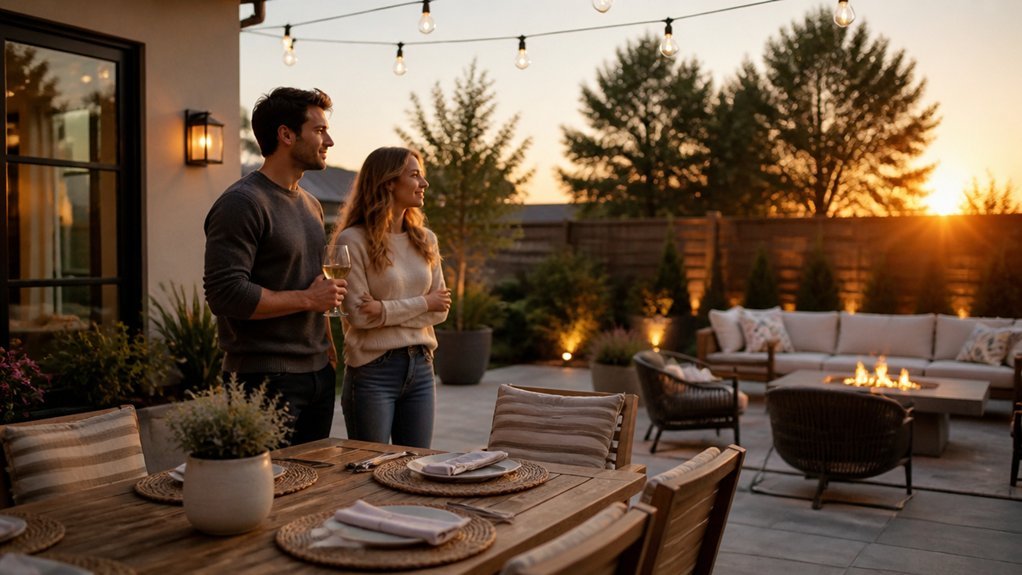
What investment level makes sense for outdoor entertaining areas in rental properties?
Industry benchmarks suggest allocating 5-15% of total property value toward outdoor improvements. A $300,000 home might warrant $15,000-$45,000 investment.
Basic patios, modest seating areas, and functional landscaping typically yield 50-70% ROI.
Mid-range upgrades, including quality furniture and defined entertaining zones, recover 60-80% of costs.
Premium features like built-in grills, fire pits, and professional landscaping recover 40-60% ROI.
Most successful rental properties prioritize foundational elements: durable surfaces, adequate shade, and low-maintenance plantings.
These basics attract renters reliably while minimizing upkeep expenses and maximizing property appeal across seasons.
Outdoor Entertaining Layouts for Any Backyard Size
Maximizing outdoor entertaining value depends on matching layout design to available space, regardless of whether a property features a compact urban yard or expansive suburban grounds.
Small yards benefit from vertical elements, built-in seating, and multipurpose furniture that reduces clutter.
Medium spaces accommodate distinct zones: dining areas, lounge sections, and kitchen prep stations.
Large properties allow separate activity areas, including fire pits, lawn games, and garden features.
Key considerations include traffic flow between zones, shade provision through structures or trees, and hardscape-to-planting ratios.
Efficient layouts position high-traffic elements near home access points, reserve shaded areas for seating, and maintain clear sightlines throughout the entertaining space.
Budget-Friendly Entertaining Upgrades That Boost Bookings
Strategic upgrades to outdoor entertaining areas need not require substantial capital investment to increase rental appeal and occupancy rates. Property owners can install string lights, add outdoor cushions, or paint existing furniture to refresh spaces affordably.
Introducing a fire pit, building simple raised garden beds, or installing a basic pergola provides functional improvements. Pressure washing patios and deck surfaces removes dirt accumulation, enhancing appearance without expense.
Adding potted plants, outdoor rugs, and coordinated seating arrangements creates cohesive environments. These modifications appeal to guests seeking comfortable entertaining spaces, directly improving booking frequency and allowing rental rate adjustments upward.
Outdoor Kitchens and Dining Features Guests Pay More For
Outdoor kitchens and dining features represent a premium investment category that guests consistently value and landlords can leverage to command higher nightly rates. Built-in grills, refrigeration units, and prep counters attract families and entertaining groups willing to pay 15-25% premiums.
Dining tables seating six to eight guests, paired with shade structures and weather-resistant furniture, create functional entertainment spaces. Fire pits, pizza ovens, and bar counters serve as secondary draws. Properties featuring these amenities experience increased booking frequency and extended stay lengths.
Installation costs range from $3,000 to $15,000 depending on complexity and materials selected, yielding solid return on investment within two to three seasons.
Fire Pits and Seating Areas: Where Guests Actually Gather
Fire pits and seating areas function as the genuine gathering spots where rental guests spend their evenings, making them distinct from high-end dining installations in both purpose and guest behavior.
Unlike formal dining features, fire pits encourage extended socializing, conversation, and relaxation. Guests prioritize comfort and accessibility, preferring durable seating like Adirondack chairs, built-in benches, or sectional outdoor sofas.
A well-positioned fire pit with adequate clearance attracts families and groups seeking informal entertainment. Properties featuring these elements report increased guest satisfaction and longer outdoor stays.
The combination creates informal gathering spaces that guests value highly, often mentioning these areas positively in reviews.
Maintenance Systems That Keep Spaces Guest-Ready Year-Round
Because outdoor entertaining areas experience constant use and weather exposure, systematic maintenance prevents deterioration and guarantees guest safety.
Property managers should schedule seasonal inspections covering furniture, grills, fire pits, and deck surfaces. Regular cleaning removes debris, mold, and stains that accumulate quickly. Weatherproofing treatments protect wood and metal components from rain, sun, and temperature fluctuations.
Damaged items require prompt repair or replacement to maintain functionality and appearance. Documentation systems track maintenance dates, completed tasks, and upcoming needs.
Digital calendars or property management software help coordinate spring setup, summer checks, fall cleanup, and winter preparations, ensuring spaces remain accessible and attractive throughout the year.
Extending Your Season: Year-Round Entertaining Space Design
While maintenance systems preserve existing spaces, strategic design choices actively extend the usable entertaining season by months. Retractable awnings, pergolas with adjustable louvers, and polycarbonate panels provide shade and weather protection, accommodating spring and fall gatherings.
Fire pits, outdoor heaters, and heated patios enable winter entertainment. Windbreaks using landscaping or structures reduce cold-weather discomfort.
Proper drainage systems prevent water accumulation during rainy periods. Lighting installation extends evening usability year-round.
Durable furniture rated for multiple seasons reduces seasonal storage needs. Strategic plant placement offers natural wind protection while maintaining sightlines.
These integrated design elements maximize rental property appeal and guest satisfaction across all seasons.
Frequently Asked Questions
What Permits or Zoning Restrictions Apply to Building Outdoor Entertaining Structures?
Building outdoor entertaining structures typically requires local building permits and must comply with zoning ordinances. Restrictions vary by municipality but commonly include setback requirements, height limits, and property line distances. Homeowners should consult their local planning department before construction.
How Do I Choose the Right Contractor for Outdoor Space Construction and Design?
Finding the ideal contractor is like hunting for a needle in a haystack. Property owners should verify licensing, review portfolio work, obtain multiple bids, check references, and guarantee they understand local building codes and permit requirements thoroughly.
What Insurance Coverage Do I Need for Guest Injuries in Outdoor Areas?
Property owners should obtain general liability insurance covering bodily injury claims, umbrella coverage for additional protection, and host liquor liability if serving alcohol. Rental property insurance typically includes these provisions, though landlords should verify coverage limits meet their guest capacity.
Which Outdoor Entertaining Features Work Best in Humid or Rainy Climates?
Covered patios, pergolas with retractable awnings, and raised wooden decks with proper drainage perform exceptionally in humid or rainy climates. These features provide shelter while allowing moisture circulation, preventing mold and rot issues common in wet environments.
How Can I Soundproof Outdoor Entertaining Areas to Avoid Neighbor Complaints?
One could build walls thick enough to silence a jet engine. Strategic sound barriers, dense hedging, acoustic panels, and rubber flooring effectively reduce noise transmission. Scheduling events earlier and installing water features as white noise also minimize neighbor disturbances considerably.
Conclusion
Outdoor entertaining areas greatly impact rental property performance, with data showing properties featuring outdoor kitchens command 25% higher nightly rates than comparable listings. Strategic investments in defined zones, fire pits, seating arrangements, and maintenance systems create functional spaces attracting quality tenants. Budget-conscious upgrades like string lights and coordinated furniture deliver measurable booking increases. Year-round design considerations guarantee consistent guest appeal, ultimately maximizing occupancy rates and property revenue potential across seasonal fluctuations.