
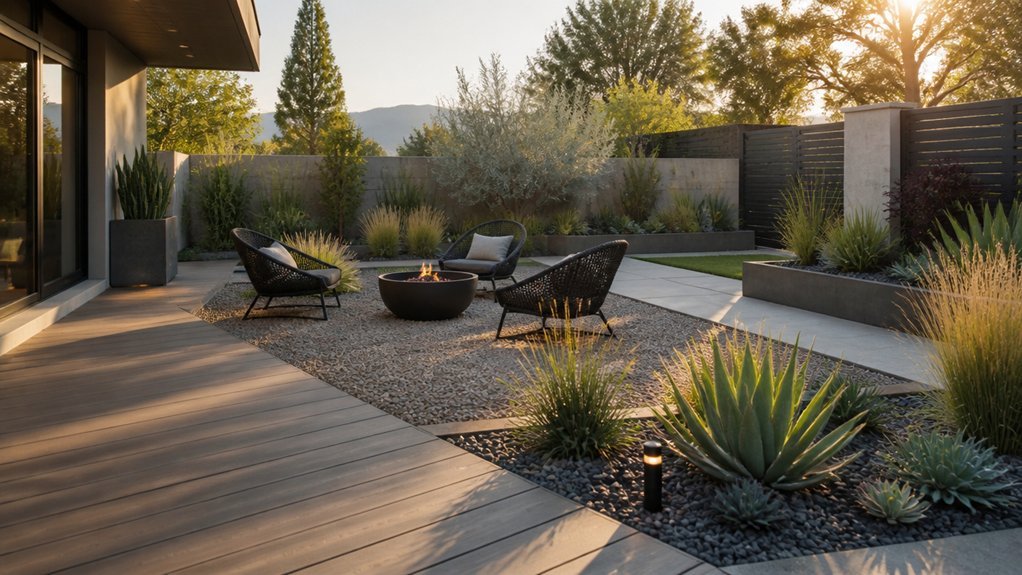
Outdoor spaces can drain a landlord’s budget faster than expected when they’re filled with thirsty gardens and exposed dirt. Concrete walkways and gravel beds offer a practical fix—they hold up against weather and keep tenants from calling about muddy patches or overgrown corners.
Native plants that actually belong in the region change the game entirely. Once established, they survive on rainfall alone and rarely need replacing. Pair them with drip irrigation on timers, and suddenly you’re not driving to the property every weekend to water or worrying about dry spells.
The furniture matters more than people think. Cheap sets crack, fade, and become eyesores within a season or two. Investing in powder-coated metal or recycled plastic pieces means fewer replacements and less hassle over the years.
None of these solutions work well in isolation, though. The real savings come from weaving them together—hardscape where foot traffic wears things down, natives where you want greenery, and smart systems tying it all together. Local climate, tenant demographics, and how the space gets used all shape what that mix should look like.
Choose Low-Maintenance Hardscaping Over Plants
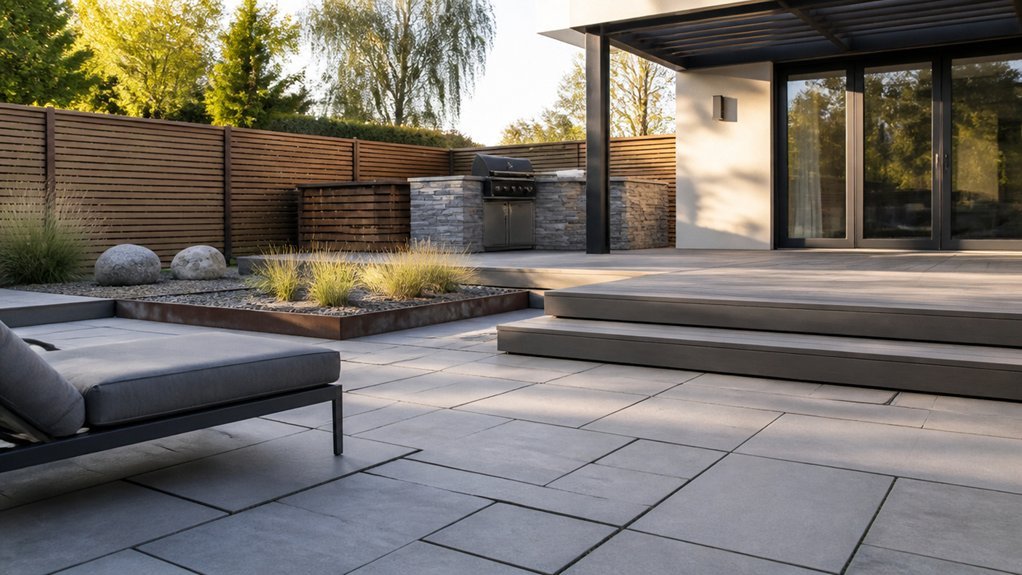
When landlords prioritize outdoor spaces that require minimal upkeep, hardscaping materials become a practical alternative to traditional landscaping. Concrete patios, gravel pathways, and composite decking eliminate regular watering, mowing, and pruning demands. These materials withstand weather exposure while maintaining appearance over years.
Stone pavers, mulch beds, and permeable paving offer functional design options.
Hardscaping reduces tenant maintenance requests and associated repair costs. Property managers benefit from decreased seasonal maintenance schedules and lower overall upkeep expenses. Such installations preserve landscape integrity without demanding constant attention or seasonal adjustments.
Design Defined Zones to Minimize Upkeep
Spatial organization reduces maintenance demands by concentrating upkeep efforts in specific areas rather than across entire outdoor spaces.
Landlords benefit from dividing yards into distinct zones: seating areas, pathways, and buffer zones. Designating hardscaped patios for furniture and gatherings eliminates grass mowing in high-traffic regions. Gravel or mulch borders separate zones while suppressing weeds naturally.
Pathways of pavers or concrete direct foot traffic, preventing soil compaction in planted areas. Establishing clear boundaries allows tenants to understand maintenance responsibilities.
Fencing or hedges define zones visually, reducing overall property upkeep while improving functionality and aesthetic organization.
Pick Low-Maintenance Plants: Drought-Tolerant & Native
Plant selection forms the foundation of low-maintenance landscaping, working alongside the zoned layout to reduce ongoing care demands. Native plants adapted to local climate conditions require minimal watering, fertilizing, and pest management.
Drought-tolerant species like sedums, ornamental grasses, and xeriscaping plants thrive in dry conditions with reduced irrigation needs.
Landlords should select plants suited to their region’s soil, sunlight, and rainfall patterns. Examples include lavender, sage, and junipers in arid climates, while shade-tolerant hostas and ferns work in wetter regions.
Grouping plants by water requirements streamlines maintenance schedules and lowers utility costs considerably.
Use Mulch and Ground Covers as Time-Savers
Because mulch and ground covers suppress weeds while retaining soil moisture, they serve as practical additions to any low-maintenance landscape design.
Organic mulches like bark chips and wood fragments break down over time, improving soil quality. Inorganic options such as gravel and stone require no decomposition.
Ground covers including creeping juniper, sedums, and ornamental grasses eliminate bare soil, reducing weed growth substantially. These plants spread horizontally, creating dense mats that prevent unwanted vegetation from establishing.
Landlords benefit from decreased watering needs, minimal weeding requirements, and reduced mowing frequency. Combining mulch with ground covers maximizes efficiency across the outdoor space.
Install Smart Irrigation to Cut Manual Watering
Automated watering systems reduce the time landlords spend managing outdoor areas while maintaining consistent soil moisture levels.
Drip irrigation delivers water directly to plant roots, minimizing waste and runoff.
Smart controllers use weather data, soil sensors, and scheduling features to adjust watering automatically. Brands like Rainbird and Hunter offer programmable systems for various property sizes.
Soaker hoses work well for garden beds, while sprinkler systems suit larger lawns. These installations decrease labor demands considerably, allowing landlords to focus on other property maintenance tasks.
Initial costs vary between $500 and $2,000 depending on yard complexity and system type.
Select Durable, Weather-Resistant Materials & Furniture
Most outdoor furniture and fixtures require materials that withstand rain, sun exposure, temperature changes, and frequent use. Teak wood, aluminum, and composite decking resist moisture and rot effectively. Metal frames with powder coating prevent rust, while polyethylene wicker offers durability without splintering.
Concrete pavers and composite materials require minimal maintenance compared to natural stone. Stainless steel hardware resists corrosion. Cushions made from outdoor-grade fabric dry quickly and resist fading.
Selecting these materials reduces repair costs and tenant complaints, ultimately protecting the landlord’s investment while extending the outdoor space’s lifespan considerably.
Minimize Tenant Tasks With a Simple Maintenance Plan
Establishing clear, straightforward maintenance expectations prevents confusion and reduces strain on tenant relationships. Landlords should create a written plan detailing specific tasks, frequency, and responsibility assignments.
Essential duties include sweeping patios, clearing gutters quarterly, and removing debris from seating areas.
Tenants benefit from simple checklists outlining seasonal requirements like power-washing decks or trimming vegetation.
Scheduling routine inspections guarantees compliance and catches problems early. Providing basic tools or supplies demonstrates commitment to manageable expectations.
Clear communication about what constitutes normal wear versus negligence protects both parties and maintains outdoor space functionality and appearance throughout the lease term.
Frequently Asked Questions
What Is the Average Cost to Convert a High-Maintenance Yard to Low-Maintenance?
Converting a high-maintenance yard typically costs between $5,000 and $15,000, depending on yard size and desired features. Property owners can expect expenses for hardscaping, drought-resistant plants, and irrigation system installation to constitute the primary conversion expenses.
How Long Does It Take to See Results After Implementing Low-Maintenance Landscaping?
Like seeds planted in spring soil, low-maintenance landscapes reveal their benefits gradually. Most property owners observe noticeable improvements within two to four weeks, with full establishment taking three to six months of reduced upkeep demands.
Can Renters Be Held Financially Responsible for Outdoor Area Damage?
Renters can be held financially responsible for outdoor damage they cause through negligence or misuse. However, landlords must document pre-existing conditions and distinguish between normal wear and intentional damage. Local tenant laws vary regarding liability limits and deposit deductions.
What Permits or HOA Approvals Are Needed for Outdoor Renovations?
Properly procuring permits proves paramount for outdoor projects. Property owners must contact their local building department and review HOA restrictions. Homeowner associations typically require written approval before constructing patios, pools, or permanent structures to guarantee compliance.
How Do Low-Maintenance Yards Affect Property Value and Rental Appeal?
Low-maintenance yards greatly enhance property value and rental appeal. Prospective tenants appreciate reduced upkeep requirements and lower maintenance costs. Properties featuring xeriscaping, native plants, and efficient irrigation systems command higher rental rates and attract quality long-term tenants seeking convenience.
Conclusion
Landlords can establish low-maintenance outdoor spaces by combining hardscaping, native plants, and smart irrigation systems. Concrete pathways, gravel zones, and drought-tolerant vegetation reduce upkeep demands. Mulch suppresses weeds, while durable furnishings withstand weather exposure. Though telegraph-era maintenance schedules once required constant attention, modern technology now enables efficient management. Clear tenant guidelines and organized layouts further minimize requests, creating sustainable outdoor areas that remain attractive year-round with minimal intervention.