
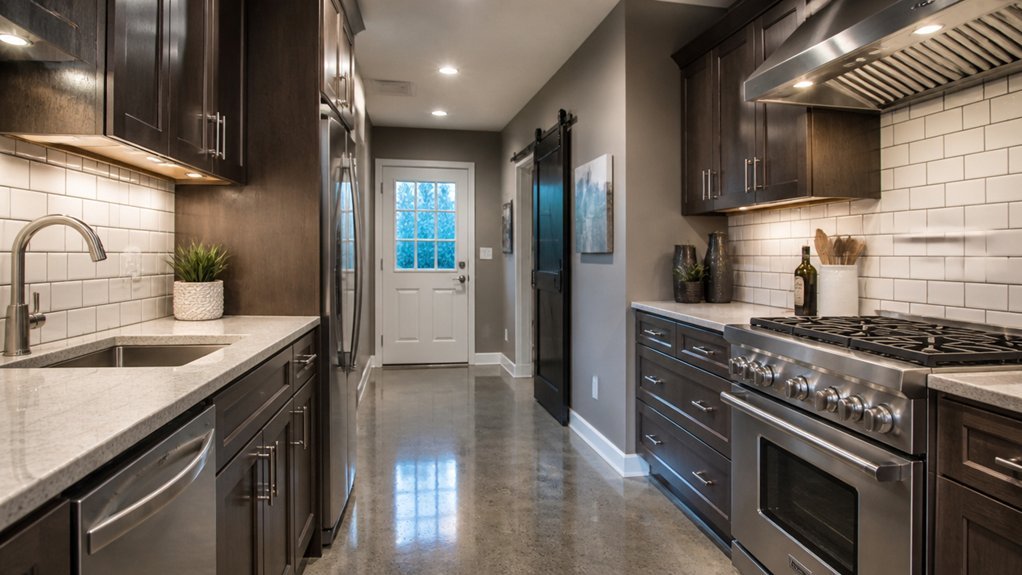
Rental property owners constantly weigh flashy upgrades against practical investments that stand the test of time. Trendy finishes might attract initial interest, but they rarely justify their cost when they need replacing after just a few years.
Smart landlords focus on materials built to endure. Luxury vinyl plank flooring handles heavy foot traffic without scratching or warping. Porcelain tiles resist moisture and cracking in bathrooms and kitchens. Copper piping, though pricier upfront, eliminates the headaches of corrosion and leaks that plague cheaper alternatives.
Beyond materials, mechanical systems deserve careful attention. A high-efficiency HVAC unit cuts utility bills while running quietly for fifteen to twenty years. Quality paint with proper primer resists scuffs and fading, meaning fewer touch-ups between tenants. These choices reduce not just material costs, but the labor and disruption of frequent repairs.
The real measure of any improvement lies in its cost-per-year-of-life. A $5,000 flooring job lasting twenty years outperforms a $2,000 option replaced every five. Tenants notice reliability too, stable environments build longer leases and fewer complaints. Prioritizing durability protects both cash flow and property value over the long haul.
How to Prioritize Upgrades by Cost-Per-Year-of-Life
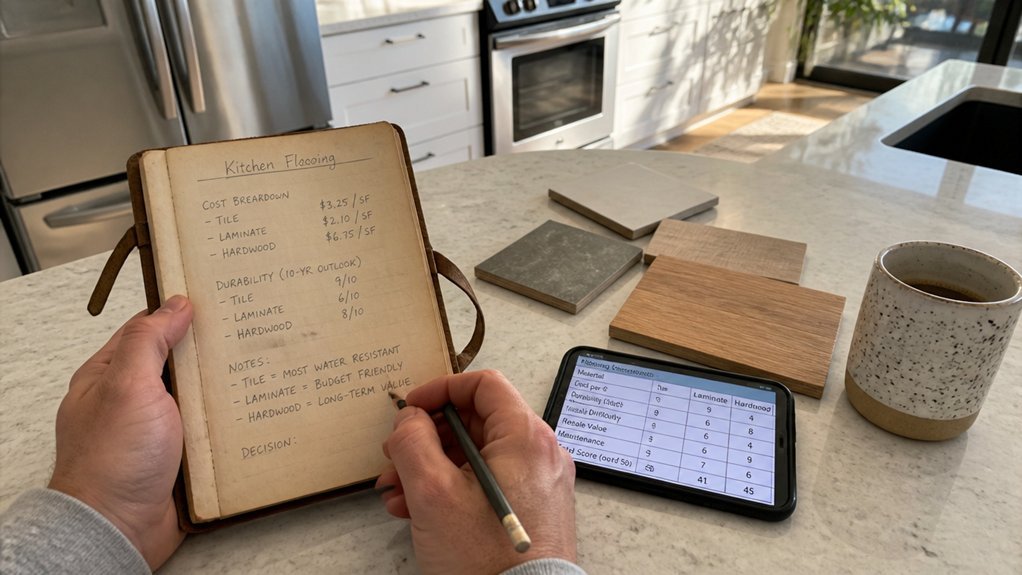
Property owners can evaluate renovations more strategically by calculating the cost per year of expected life for each improvement. A roof costing $15,000 with a 25-year lifespan equals $600 annually.
Conversely, paint at $3,000 lasting five years costs $600 yearly. This method reveals true expense, not initial price. Owners should divide total upgrade cost by expected years of durability.
Durable materials often show lower cost-per-year figures despite higher upfront expenses. HVAC systems, flooring, and roofing warrant detailed calculations.
Prioritizing upgrades by this metric reduces long-term spending and minimizes frequent tenant disruptions from repeated repairs and replacements.
Flooring Materials That Last Decades Without Major Replacement
Flooring represents one of the most visible and heavily used components of rental properties, making material selection critical when applying the cost-per-year method.
Luxury vinyl plank, polished concrete, and ceramic tile offer extended lifespans of 20-30 years with minimal maintenance.
Laminate flooring, while affordable, requires replacement every 7-10 years. Natural hardwood demands refinishing every 10-15 years, increasing long-term costs.
Porcelain tile resists staining and wear exceptionally well. Vinyl composition tile suits commercial applications effectively.
Stone flooring, including granite and slate, lasts indefinitely but carries higher initial expenses. Selecting durable materials reduces tenant turnover expenses and maintenance frequency considerably.
HVAC and Plumbing: Reliability Over Trends
Most building systems fail when owners prioritize cost reduction over durability, and HVAC and plumbing installations represent the property’s functional backbone.
Quality copper piping, rather than cheaper PVC alternatives, resists corrosion and maintains integrity for fifty years. High-efficiency furnaces and air conditioning units from established manufacturers like Carrier or Trane require fewer repairs than budget models.
Professional installation matters greatly: improper setup shortens equipment lifespan considerably.
Tankless water heaters eliminate sediment buildup problems common in traditional tanks. Regular maintenance schedules preserve system performance.
Investing in reliable components reduces tenant complaints, vacancy rates, and emergency repair expenses notably over time.
Paint and Wall Finishes That Hide Wear Between Tenants
Paint selection considerably influences how rental units appear between tenant changes, affecting both aesthetic appeal and maintenance costs.
Eggshell and satin finishes resist scuffs better than flat paint, hiding minor marks and dust accumulation. Neutral colors like beige, gray, and soft white minimize visible wear patterns.
Semi-gloss finishes work well for trim and doors, withstanding frequent contact and cleaning. Darker accent walls conceal stains better than light colors, though they require more frequent touch-ups.
Quality commercial-grade paint lasts longer than standard residential varieties. Choosing durable finishes reduces repainting frequency, lowering turnover expenses markedly.
Long-Lasting Fixtures Worth the Upfront Cost
While paint and finishes address surface-level wear, the underlying fixtures in rental units determine long-term durability and tenant satisfaction. Quality faucets, toilets, and cabinet hardware withstand frequent use better than budget alternatives. Stainless steel appliances resist corrosion and fingerprints effectively.
LED lighting fixtures reduce maintenance demands and energy costs considerably. Durable flooring materials like luxury vinyl or ceramic tile outlast cheaper options by years. High-grade door locks and hinges endure repeated operation without failure.
Installing these fixtures requires higher initial investment but decreases replacement frequency and vacancy periods. Property owners recoup costs through reduced repair expenses and extended asset lifecycles over time.
Structural Improvements That Protect Your Rental Investment
Beyond surface-level fixtures, the foundational systems of a rental property require strategic investment to prevent costly damage and liability issues. Roof repairs, foundation sealing, and electrical system upgrades address critical vulnerabilities that directly impact property value and tenant safety.
Water damage prevention through gutter maintenance, proper drainage, and plumbing inspections protects structural integrity.
HVAC system replacements guarantee reliable climate control and reduce emergency repair costs.
These investments prevent expensive emergency repairs, extend property lifespan, and minimize vacancy periods caused by system failures.
Prioritizing structural improvements demonstrates sound financial stewardship and reduces long-term ownership expenses.
Insulation, Weatherization, and Energy-Efficient Systems
Strategic improvements to insulation, weatherization, and energy systems reduce tenant utility costs, increase property appeal, and lower operational expenses.
Upgrading attic insulation to R-38 or higher minimizes heat loss, while sealing air leaks around windows, doors, and ducts prevents energy waste.
Installing programmable thermostats allows remote temperature control and scheduling. Energy-efficient HVAC systems consume less fuel while maintaining consistent comfort.
Weather stripping, caulking, and upgraded windows further reduce drafts.
These modifications attract cost-conscious tenants, decrease vacancy rates, and improve property value.
Long-term savings on heating and cooling offset initial investment costs substantially.
Frequently Asked Questions
How Do Durability Improvements Affect Rental Property Insurance Premiums and Claims?
Durable improvements reduce insurance premiums by lowering risk profiles. Properties with quality roofing, updated electrical systems, and structural reinforcements demonstrate decreased claim likelihood, prompting insurers to offer more favorable rates and fewer coverage denials.
What Tax Deductions or Depreciation Benefits Apply to Durable Rental Property Improvements?
Like seeds planted for tomorrow’s harvest, durable improvements yield financial rewards. Owners deduct renovation costs as business expenses or depreciate them over 27.5 years, reducing taxable income annually and building long-term wealth through systematic tax advantages.
How Do Long-Lasting Upgrades Impact Property Resale Value and Buyer Appeal?
Long-lasting upgrades greatly enhance property resale value by reducing future maintenance costs and increasing buyer confidence. Durable improvements appeal to purchasers seeking move-in-ready homes, justifying premium pricing and accelerating sales timelines in competitive markets.
Which Durable Improvements Qualify for Energy Tax Credits or Rebates?
Studies show energy-efficient upgrades reduce utility costs by 20-30% annually. Qualifying improvements include ENERGY STAR windows, heat pump systems, insulation upgrades, and solar installations. Property owners can claim federal tax credits up to $3,200 through 2032.
Should Tenants Contribute to Costs of Durable Upgrades With Extended Leases?
Landlords should evaluate lease agreements individually. Extended tenancy may justify shared costs through reduced rent or lease incentives, though ownership typically retains responsibility for capital improvements. Local regulations and lease terms ultimately govern cost allocation decisions.
Conclusion
Some property owners hesitate to invest heavily in durable materials, fearing upfront costs. However, calculating cost-per-year-of-life reveals that quality flooring, HVAC systems, and copper piping cost less annually than replacing cheap alternatives every few years. Prioritizing durability reduces tenant turnover, maintenance expenses, and vacancy periods. Long-lasting improvements protect rental investments, ensuring reliable performance and consistent returns over decades rather than cycles of repeated repairs and replacements.