
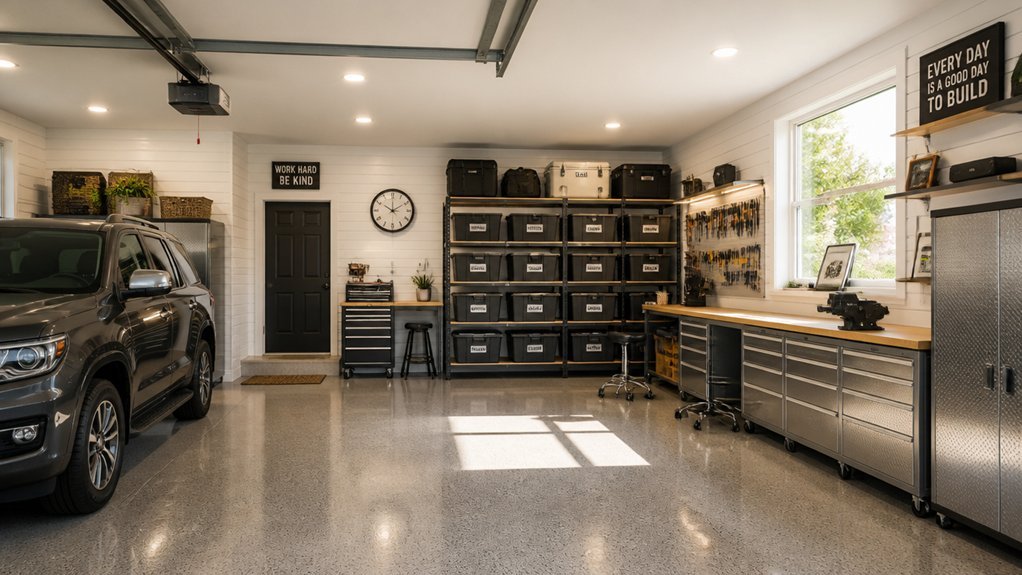
A garage does far more than shelter a car from the elements. For tenants settling into a long-term rental, that extra square footage becomes essential infrastructure for daily life. Secure vehicle storage protects against theft and weather damage, while the overhead space and wall systems accommodate everything from holiday decorations to camping gear.
Property managers often overlook how garages evolve with tenancy length. Someone staying six months might treat it as mere parking; someone staying five years transforms it into a workshop, a home gym, or a quiet corner for video calls. This gradual adaptation makes garage access a surprisingly sticky amenity, one that encourages lease renewals simply because moving would mean rebuilding that tailored functionality elsewhere.
The clutter-reduction benefit deserves more attention than it typically receives. When tenants can stash bulky items, sports equipment, and project supplies off-site from main living areas, apartments stay cleaner and more peaceful. That separation between living and storage improves mental wellbeing in ways square footage alone cannot replicate.
Remote work has only amplified garage utility. A converted corner with proper lighting and power outlets offers the dedicated workspace many renters lack, especially in smaller units. Forward-thinking managers who recognize this shift can market garages as genuine lifestyle upgrades rather than afterthought amenities.
Protection From Weather and Climate Elements

One of the primary functions of a garage for tenants involves shielding vehicles and stored items from rain, snow, sun exposure, and temperature fluctuations. A covered garage protects automobiles from rust, paint damage, and interior deterioration caused by moisture and UV rays.
Stored boxes, tools, and seasonal equipment remain dry and undamaged in controlled environments.
Winter weather poses particular threats, including ice accumulation on windshields and engine freeze-up.
Summer heat can warp plastic items and degrade rubber components.
Garages provide climate-controlled spaces where belongings maintain structural integrity and functionality throughout seasonal changes, reducing replacement costs for tenants.
Secure Storage Beyond Your Living Space
Many tenants find themselves needing extra storage space for items that don’t fit comfortably in apartments or rental homes. A garage provides secure storage for seasonal decorations, sports equipment, tools, and furniture.
Tenants can organize belongings on shelves, in cabinets, or within labeled containers. This arrangement keeps living spaces uncluttered while protecting items from damage. Valuable possessions remain protected from theft and weather exposure.
Items like bicycles, luggage, and garden equipment stay accessible yet out of sight. The garage functions as an extension of personal storage capacity, allowing tenants to maintain organized homes without sacrificing living area to accumulated possessions.
Create a Remote Work Workspace in Your Garage
Converting garage space into a functional remote work area offers tenants a dedicated location separate from living quarters. A simple desk, ergonomic chair, and adequate lighting create the basic setup needed for productivity.
Tenants should install shelving units for storage, add insulation for temperature control, and guarantee proper electrical outlets for equipment. A small filing cabinet organizes documents and supplies.
Noise reduction through weatherstripping or acoustic panels minimizes distractions from household activity.
Internet connectivity requires either extending the home network or installing a separate connection. This arrangement allows tenants to maintain professional boundaries while maximizing limited apartment space.
Build a Hobby Workshop in Your Garage
A garage transforms into an effective hobby workshop by designating specific zones for different activities and organizing tools within easy reach. Tenants can establish woodworking areas with sawhorses and clamps, painting stations with ventilation, or crafting corners with storage shelves.
Wall-mounted pegboards hold frequently used items like hammers, screwdrivers, and measuring tapes. Clear labeling on containers prevents misplacement of small parts, fasteners, and supplies. Proper lighting overhead improves visibility and safety. Workbenches provide stable surfaces for projects.
This organization allows tenants to pursue hobbies efficiently, reducing clutter in living spaces while maximizing garage utility.
Eliminate the Stress of Street Parking
How do tenants benefit from garage parking instead of street parking? Garage parking eliminates several practical problems associated with street parking. Tenants avoid searching for available spots, which consumes time and fuel. Weather damage to vehicles decreases considerably when parked indoors. Vehicle security improves, reducing theft and vandalism risks.
Tenants experience fewer parking violations and associated fines. Maintenance expenses decline because cars remain protected from elements, UV rays, and road salt.
Access becomes convenient during any weather condition. Insurance premiums may decrease for covered vehicles. Overall, garage parking provides tenants with reliable, protected, and accessible vehicle storage, removing daily parking frustrations.
Protect Your Valuables in a Secure Garage Space
Beyond vehicle protection, garage spaces serve as secure storage for valuable possessions that tenants wish to keep safe from theft, weather damage, and unauthorized access.
Tenants can store bicycles, tools, sporting equipment, and seasonal items like holiday decorations or winter clothing in locked garage areas.
Climate-controlled units protect electronics, documents, and furniture from temperature fluctuations and moisture.
Security features such as overhead doors, lighting, and surveillance cameras deter theft.
Organized shelving systems maximize storage efficiency while keeping items accessible.
This dedicated space eliminates clutter from apartments and reduces reliance on external storage facilities, thereby saving tenants money and providing convenient item retrieval.
Why Garage Access Improves Tenant Retention
Garage access greatly influences whether tenants choose to renew leases or seek alternative housing. Secure parking and storage substantially reduce tenant turnover rates.
Residents with garage spaces experience fewer moves, as they value protected vehicle storage, climate-controlled environments, and organized belongings. Property managers report higher renewal rates when garages accommodate motorcycles, bicycles, tools, and seasonal items.
Tenants avoid properties lacking garage facilities, preferring units offering weather protection and theft prevention. This amenity becomes especially important in regions with harsh winters or high crime areas.
Offering garage access directly increases lease renewal likelihood, reducing costly vacancy periods and turnover expenses.
Frequently Asked Questions
What Are the Average Costs Associated With Installing Garage Shelving and Storage Systems?
Garage shelving and storage systems typically cost between $500 to $3,000, depending on materials and complexity. Basic wire shelving runs $200–$800, while custom built-in systems reach $2,000–$5,000. Installation fees generally add $300–$1,000 to total expenses.
How Can Tenants Safely Store Hazardous Materials Like Paint and Chemicals in Garages?
Tenants should store paint and chemicals in clearly labeled, sealed containers on dedicated shelving away from living spaces. Materials require proper ventilation, temperature control, and separation from ignition sources. Safety Data Sheets should remain accessible for reference and emergencies.
Are There Legal Liability Concerns When Tenants Use Garages for Business Purposes?
Like opening a Pandora’s box, permitting garage business operations releases significant legal exposure. Landlords face liability risks if tenants conduct commercial activities without proper insurance, zoning compliance, or explicit lease authorization. Clear policies protect both parties.
What Insulation and Ventilation Improvements Can Make Garages More Comfortable Year-Round?
Garage comfort improves through added insulation in walls and ceilings, which regulates temperature fluctuations. Installing proper ventilation systems, including exhaust fans and air vents, reduces moisture and improves air circulation year-round.
How Should Landlords Handle Disputes Over Garage Usage Among Multiple Tenants?
Landlords must absolutely establish crystal-clear written parking agreements before tenants move in. They should designate specific spaces, create fair scheduling systems, enforce rules consistently, and mediate conflicts promptly through documented communication to prevent escalation.
Conclusion
A garage serves as a multifaceted enhancement for residential living, offering weather protection, secure storage, and flexible space utilization. Long-term tenants benefit from organized environments that accommodate vehicles, seasonal items, tools, and hobby pursuits. By addressing practical needs such as parking convenience and valuables protection, garage access meaningfully contributes to tenant satisfaction and property retention. Property owners who provide this amenity acknowledge contemporary residential expectations and foster favorable tenant relationships.