
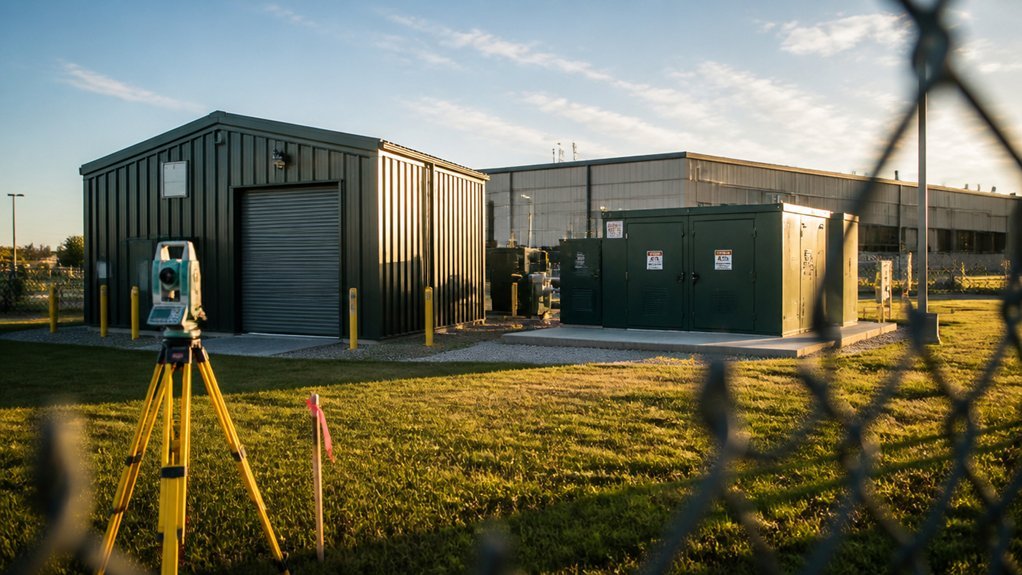
Expanding a property portfolio with utility buildings demands more than capital—it calls for methodical attention across several moving parts. Zoning compliance, financing structures, and market validation each require separate expertise. Seasoned investors recognize that skipping any single step risks turning promising opportunities into expensive lessons.
The financial architecture of these projects deserves particular scrutiny. Beyond construction costs, investors must account for permitting timelines, insurance coverage gaps, and the granular math of projected returns. Tenant agreements, too, need drafting with foresight rather than haste. These elements compound quickly; negligence in one area often cascades into others.
What truly distinguishes veteran investors from newcomers lies in anticipating where others get distracted. Many fixate on acquisition price while underestimating operational complexities or regulatory shifts. Those who thrive develop systems for catching these overlooked details before they erode profitability.
Getting Zoning Approval and Permits
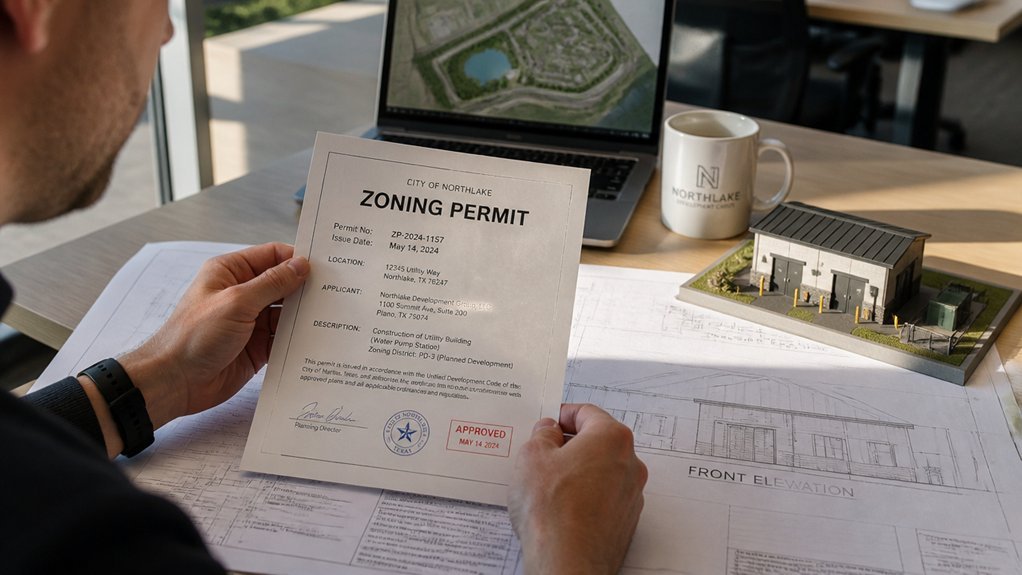
Zoning approval and permits form the legal foundation for utility building projects. Property investors must first review local zoning codes, which designate areas for residential, commercial, or industrial use.
A utility building, such as a storage shed or equipment garage, may require conditional use permits depending on location and size.
Investors should contact the local planning department, submit detailed site plans, and pay associated fees. Building permits, electrical permits, and plumbing permits may be necessary depending on utility building specifications.
Approval timelines vary by jurisdiction, ranging from weeks to months. Non-compliance results in fines, work stoppages, or forced removal of structures.
Your Financing Options and Budget
After securing zoning approval and permits, property investors must determine how to fund their utility building project. Several financing options exist for construction costs.
Traditional bank loans offer fixed rates, typically requiring 20-30% down payments. Construction loans provide short-term funding during building phases. Home equity lines of credit leverage existing property value.
SBA loans may offer favorable terms for qualified applicants. Investors should calculate total expenses, including materials, labor, permits, and contingencies.
Comparing interest rates across lenders reduces borrowing costs. Creating a detailed budget prevents overspending. Reviewing cash flow projections guarantees adequate reserves for unexpected expenses.
Calculate ROI Before You Break Ground
Before committing significant capital to construction, property investors should calculate their return on investment, or ROI, to determine project viability. ROI compares net profit against total investment costs, revealing whether a utility building project generates adequate returns.
Investors must account for construction expenses, land acquisition, permits, and ongoing maintenance costs. Revenue projections should reflect realistic rental rates, occupancy rates, and tenant demand in the specific market.
For example, a storage facility with 200 units at $150 monthly rent requires analysis against development costs. A project yielding less than 8-10% annual ROI may warrant reconsideration.
Market Demand: Will Your Utility Building Rent?
How can an investor determine whether a utility building will attract and retain tenants in a given market? Researching local economic trends, employment growth, and competing properties provides essential baseline data.
Investors should examine tenant demographics, industry presence, and rental rates for similar structures. Consulting with commercial real estate agents familiar with the specific region yields practical insights.
Additionally, analyzing vacancy rates, lease duration patterns, and tenant turnover helps forecast demand stability. Understanding zoning regulations and future development plans in the area clarifies long-term market viability.
Direct conversations with potential tenants reveal specific space requirements, budget constraints, and lease preferences that drive actual demand.
Insurance, Liability, and What You Actually Need
Once an investor identifies a viable utility building and secures reliable tenants, the focus shifts to protecting that investment through proper insurance coverage and liability management.
Standard landlord policies typically cover the structure itself, but investors need additional protection for tenant injuries, property damage, and lost income.
General liability insurance protects against bodily injury claims. Equipment breakdown coverage addresses HVAC systems, electrical components, and storage equipment.
Investors should also consider umbrella policies for excess liability protection. Consulting an insurance agent familiar with commercial or industrial properties guarantees extensive coverage tailored to the building’s specific use and occupancy risks.
Setting Tenant Terms and Lease Boundaries
Three critical elements shape successful tenant relationships: clear lease terms, defined property use, and enforceable boundaries. Property investors must specify permitted activities, restricted uses, and maintenance responsibilities in writing.
For example, storage building tenants should understand weight limits, prohibited materials, and access hours.
Lease agreements should address rent payment schedules, security deposits, and renewal conditions. Investors benefit from defining consequences for lease violations, including late fees or eviction procedures.
Property boundaries require documentation through surveys, fencing, or marked borders. Regular lease reviews guarantee compliance and address changing circumstances.
Written agreements protect both parties and prevent disputes.
Where Investors Go Wrong (And How to Avoid It)
Many property investors overlook critical details when managing utility buildings, creating expensive problems that compound over time.
Common mistakes include inadequate maintenance schedules, unclear responsibility assignments for repairs, and insufficient documentation of tenant damage.
Investors frequently underestimate insurance requirements and property tax implications specific to utility structures.
Poor record-keeping of utility usage leads to billing disputes and revenue loss.
Inadequate inspections before lease signing miss existing damage.
To avoid these issues, investors should establish written maintenance protocols, clearly define tenant responsibilities in lease agreements, maintain detailed property records, verify insurance coverage, and conduct thorough pre-lease inspections.
Regular communication with tenants prevents misunderstandings about obligations.
Frequently Asked Questions
What Maintenance Responsibilities Fall to the Property Owner Versus Tenants?
Property owners typically maintain structural elements, roofs, and major systems, while tenants handle routine upkeep and minor repairs. Lease agreements should clearly delineate responsibilities. Owners remain liable for habitability standards and building code compliance regardless of tenant obligations.
How Do Utility Building Depreciation Schedules Affect My Tax Deductions?
Depreciation schedules are literally the financial lifeblood of property tax strategy. Property investors deduct utility building costs over 15-20 years, reducing taxable income annually. The depreciation method chosen—straight-line or accelerated—directly impacts yearly deduction amounts and overall tax liability.
Can I Convert a Utility Building Into a Different Property Type Later?
Yes, utility buildings can be converted to different property types. However, investors must recapture depreciation deductions, potentially face capital gains taxes, and comply with local zoning regulations. Professional guidance is essential for conversion planning.
What Are Typical Utility Building Construction Timelines and Potential Delays?
Utility building construction typically spans three to six months, depending on complexity and size. Common delays include permit processing, weather conditions, material shortages, labor availability, and site preparation issues. Investors should budget extra time for contingencies.
How Do Economic Downturns Specifically Impact Utility Building Rental Demand?
Ironically, when economies falter, businesses paradoxically require affordable storage solutions more desperately. Economic downturns typically decrease utility building rental demand as companies downsize operations, reduce inventory, and cut overhead expenses, ultimately pressuring rental rates downward.
Conclusion
Adding utility buildings requires investors to navigate zoning laws, secure financing, calculate realistic returns, and assess market demand. Insurance protection and clear lease terms form essential safeguards. Success hinges on thorough planning before construction begins. Those who skip foundational research—permits, ROI analysis, local market conditions—often face costly setbacks. Strategic preparation transforms utility building investments into profitable ventures, while neglecting these steps leaves investors vulnerable to financial losses and operational complications.