
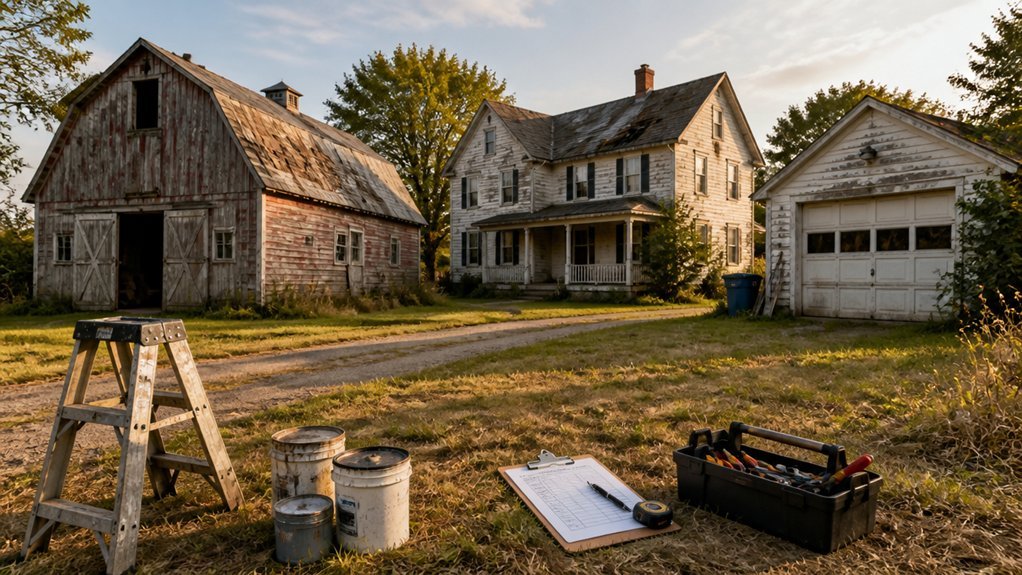
Rental properties often come with outbuildings that get overlooked until problems arise. Sheds, garages, and storage structures each need their own maintenance approach to preserve the overall property value. Taking inventory of these spaces and documenting their current condition creates a solid foundation for long-term care.
Landlords and tenants both benefit from clearly defined responsibilities upfront. Who handles snow removal from the garage roof? Who reports water damage in the storage shed? Answering these questions before issues emerge prevents the gradual deterioration that comes from neglect or finger-pointing. A written agreement removes ambiguity and sets expectations on both sides.
Effective maintenance systems don’t need to be complicated. Simple checklists, scheduled inspections, and prompt repair protocols keep outbuildings functional year after year. Property owners who invest this attention early typically face fewer emergency repairs and enjoy stronger tenant relationships throughout the lease term.
Catalog Your Outbuildings: What You’ve Got and What You Need to Know
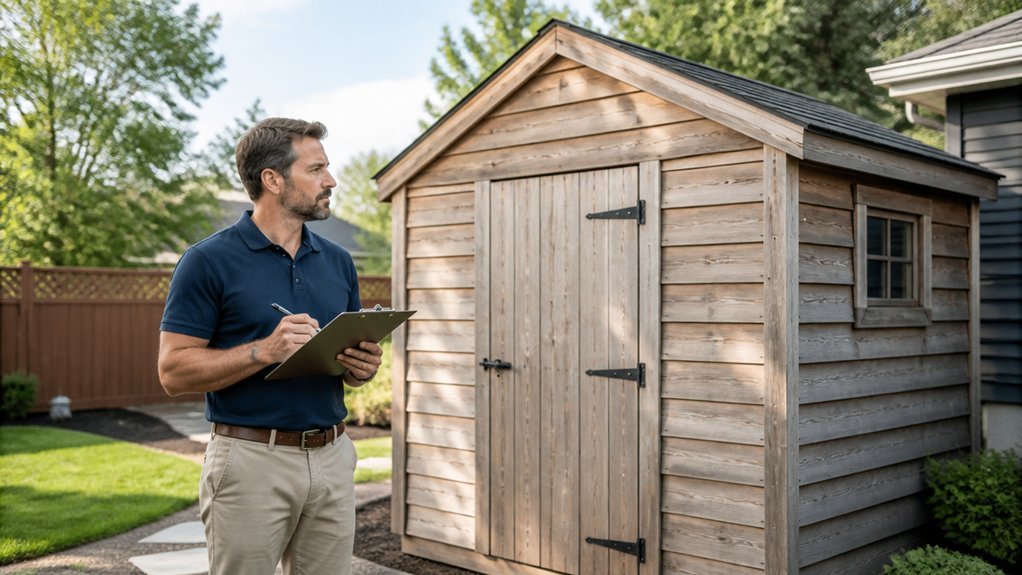
A foundation of effective maintenance starts with knowing what structures exist on the rental property. Property owners should identify all outbuildings, including sheds, garages, barns, and carports. Document each structure’s location, size, age, and construction materials.
Note whether buildings have electricity, plumbing, or HVAC systems. Check for existing damage, such as roof leaks, foundation cracks, or pest infestations. Create a simple inventory list with photographs. Record when each building was last inspected or repaired.
This cataloging process establishes a baseline for planning maintenance schedules, estimating repair costs, and determining which structures require immediate attention before tenant occupancy.
Set Tenant Maintenance Responsibilities for Outbuildings
Once the property inventory is complete, owners should establish clear maintenance expectations for outbuildings by defining what tenants must maintain versus what the owner handles. Tenant responsibilities might include sweeping sheds, clearing gutters, and removing debris from storage structures.
Owners typically retain responsibility for structural repairs, roof maintenance, and foundation issues. Written lease agreements should specify these distinctions clearly, listing particular outbuildings and their associated duties.
Regular inspections help guarantee compliance. Vague expectations create disputes, so explicit documentation prevents misunderstandings about which party addresses specific maintenance needs.
Build a Seasonal Maintenance Schedule for Each Outbuilding Type
Different outbuilding types require distinct seasonal maintenance schedules based on their exposure to weather, usage patterns, and structural vulnerabilities.
Sheds need roof inspections in spring and fall, while garages require door mechanism checks before winter.
Barns demand foundation assessments quarterly and ventilation cleaning seasonally.
Greenhouses need weatherstripping replacement in autumn and gutter clearing before heavy rains.
Create separate schedules for each structure, accounting for regional climate variations. Document maintenance dates, completed tasks, and findings.
Schedule inspections quarterly minimum, adjusting frequency based on age, condition, and local weather patterns affecting each outbuilding type.
Budget for Outbuilding Maintenance and Unexpected Repairs
How much should property owners set aside annually for outbuilding maintenance and repairs? Industry standards suggest allocating 1-2% of the property’s total value yearly. For a structure worth $50,000, this means $500-$1,000 annually.
Property owners should separate funds into two categories: routine maintenance and emergency reserves. Routine costs cover seasonal tasks, roof inspections, and weatherproofing.
Emergency reserves address unexpected issues like storm damage or foundation problems.
Tracking past repair expenses helps establish accurate budgets. Consulting local contractors about typical costs for specific building types, materials, and regional conditions provides realistic estimates.
Setting aside adequate funds prevents financial strain when repairs become necessary.
Create a Preventative Maintenance Checklist You’ll Actually Use
Most property owners benefit from a written maintenance checklist tailored to their specific outbuildings, including barns, sheds, garages, and storage structures. The checklist should list tasks by season and frequency: monthly roof inspections, quarterly gutter cleaning, and annual foundation assessments.
Property owners should note which tasks require professional contractors versus those manageable independently. Digital formats, spreadsheets, or printed copies work equally well. The key element involves consistency and accessibility.
Reviewing the checklist monthly guarantees nothing gets overlooked. Recording completed maintenance creates documentation for tenant records and insurance purposes, establishing a reliable system for tracking all outbuilding repairs and upkeep.
Keep Records That Actually Matter (And Plan Your Next Upgrade)
Maintaining a checklist prevents problems, yet documenting what was actually done matters equally. Property owners should record dates, costs, and work completed for each outbuilding, creating a reliable maintenance history.
Digital spreadsheets or maintenance apps track repairs, material expenses, and contractor information efficiently. This documentation supports insurance claims, proves property upkeep to potential buyers, and identifies patterns requiring attention.
Reviewing annual records reveals which structures demand frequent repairs versus minor maintenance. Planning upgrades becomes easier when owners analyze past spending trends.
Prioritizing replacements, roof repairs before painting, foundation work before siding, ensures resources target critical issues first, extending outbuilding lifespan and protecting rental investment value.
Require Pre-Tenancy and Move-Out Inspections
Detailed inspections at lease start and lease end create a clear record of outbuilding condition, protecting both landlord and tenant from disputes.
Photograph storage sheds, garages, and workshops before tenancy begins, documenting existing damage, rust, or structural issues. Tenants should sign acknowledgment forms listing observed problems.
At move-out, conduct identical inspections using the same checklist and camera angles. Compare photos systematically to identify new damage versus pre-existing conditions.
Document roof leaks, foundation cracks, missing windows, and equipment deterioration.
This documentation approach prevents disagreements over security deposit deductions and establishes baseline maintenance expectations for outbuilding preservation.
Frequently Asked Questions
How Do I Handle Insurance Coverage for Outbuildings on Rental Properties?
Landlords should contact their insurance provider to add outbuildings to their rental property policy. Coverage typically includes sheds, garages, and storage structures. Separate policies may be necessary for high-value buildings. Regular maintenance documentation helps guarantee adequate coverage and claim approval.
What Legal Liability Issues Arise When Tenants Use Outbuildings?
Landlords face liability if outbuildings lack proper maintenance, safety features, or adequate warnings. Tenant injuries from structural defects, unsafe conditions, or missing guardrails could result in premises liability claims. Clear lease terms addressing tenant responsibilities help mitigate legal exposure.
Should I Charge Separate Rent for Outbuilding Access and Usage?
Landlords should seriously consider separate charges. Distinct dwelling details demand differentiated pricing when outbuildings offer substantial storage or additional amenities. This practice protects property profitability and provides proper documentation distinguishing separate services from standard rental arrangements, clarifying tenant responsibilities.
How Do I Enforce Tenant Compliance With Outbuilding Maintenance Rules?
Property managers enforce compliance through clear lease clauses specifying maintenance responsibilities, regular inspections with documented findings, photographic evidence of violations, written notices for infractions, and potential rent deductions or security deposit claims for damages caused by negligence.
What Should I Do if an Outbuilding Becomes Uninhabitable or Unsafe?
When an outbuilding becomes uninhabitable or unsafe, landlords must inspect thoroughly, document all damage extensively, and notify tenants immediately. They should repair hazards promptly, restrict access appropriately, and consult legal counsel regarding liability and lease obligations.
Conclusion
A thorough outbuilding maintenance plan functions like a well-oiled machine, with each component working together to prevent costly breakdowns. Property owners who catalog structures, define tenant responsibilities, establish seasonal schedules, and maintain detailed records protect their investments effectively. Regular inspections, documented repairs, and pre-tenancy assessments minimize disputes while extending outbuilding lifespans. This systematic approach transforms maintenance from reactive problem-solving into predictable, manageable property care.