
Outdoor spaces in rental properties take a beating. Between unpredictable tenants and relentless weather, every feature you install needs to earn its keep. Smart owners know that the cheapest upfront option rarely wins in the long run.
Balancing initial costs against future maintenance is where the real strategy lies. A bargain patio set might look appealing on the receipt, but replacement costs add up fast. Climate-appropriate materials and hardy plant selections reduce headaches significantly. Think native species over exotic showpieces, and composite decking over traditional wood that warps and splinters.
Tenant turnover introduces another layer of complexity. Features must withstand heavy use without constant supervision. Metal fencing outlasts vinyl in extreme temperatures. Concrete pavers survive where poured concrete cracks. These choices protect both your investment and your sanity.
The goal isn’t perfection—it’s resilience. Understanding how materials perform under real-world rental conditions helps preserve property value year after year. Skip the trendy upgrades. Choose what endures.
Know Your Climate Before You Buy
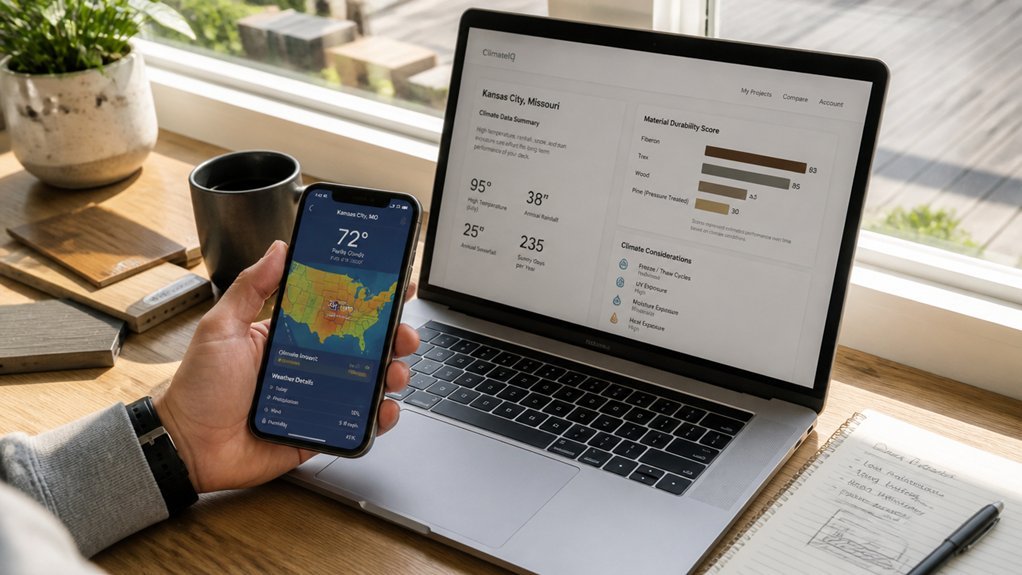
Why should property owners prioritize climate assessment before selecting outdoor features for rental properties? Different regions experience distinct weather patterns that directly affect material longevity and maintenance costs.
Coastal areas with salt spray require corrosion-resistant materials like aluminum or vinyl, rather than untreated wood or standard steel. Desert climates demand heat-tolerant paving and drought-resistant landscaping. Northern zones need freeze-thaw resistant concrete and durable deck materials.
Property owners should evaluate average temperature ranges, precipitation levels, humidity conditions, and seasonal weather extremes.
Understanding these factors prevents premature deterioration, reduces tenant complaints, and extends asset lifespan. Climate-appropriate selections minimize replacement expenses and protect rental property investments effectively.
Prioritize Low-Maintenance Materials
Most rental property owners benefit from selecting outdoor features that require minimal upkeep, since reduced maintenance directly lowers operational costs and tenant service requests.
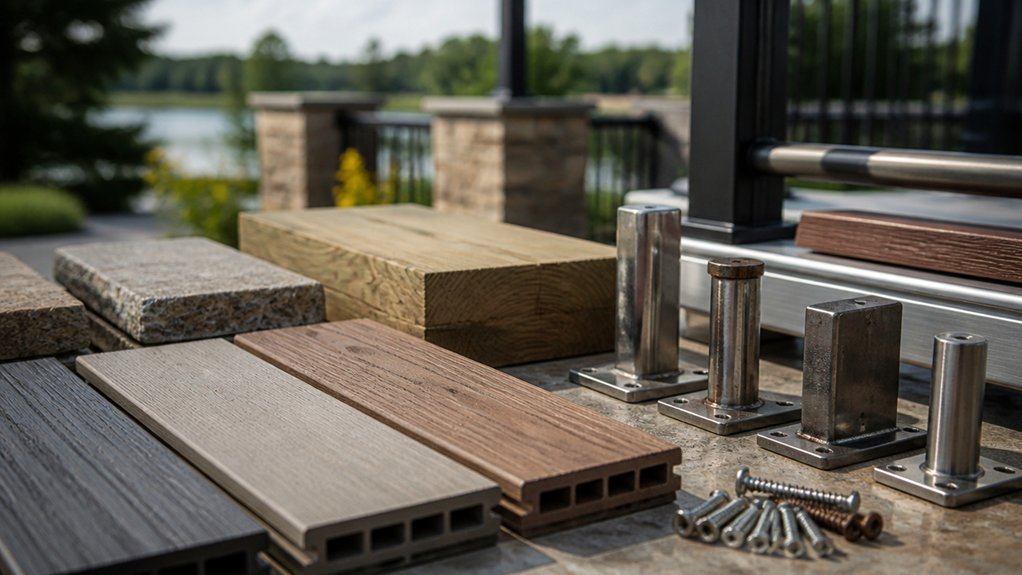
Composite decking, vinyl fencing, and stamped concrete resist weathering better than traditional wood materials. Metal railings require only occasional cleaning, while fiber cement boards withstand moisture and rot.
Hardscaping with gravel or pavers eliminates lawn maintenance needs. These materials withstand freeze-thaw cycles and UV exposure effectively.
Choosing durable options upfront decreases long-term repair expenses and vacancy periods caused by maintenance issues.
Lower maintenance demands also improve tenant satisfaction and retention rates markedly.
Select Decking and Patio Surfaces Built to Last
Decking and patio surfaces serve as primary outdoor gathering spaces in rental properties, making their material selection critical to long-term durability and cost management.
Composite decking, manufactured from wood fibers and plastic, resists rot, insects, and splintering while requiring minimal maintenance.
Concrete patios offer affordability and longevity, though they may crack in freeze-thaw climates.
Pressure-treated lumber remains a budget option but demands regular staining and sealing.
Porcelain pavers provide slip resistance and durability, suitable for various weather conditions.
Property managers should evaluate climate factors, foot traffic patterns, and maintenance budgets when selecting surfaces, prioritizing materials that withstand local environmental stressors effectively.
Choose Fencing That Resists Rot and Rust
Fencing represents a notable long-term investment for rental properties, requiring material selection that resists environmental degradation and reduces maintenance costs over time.
Vinyl and composite materials offer superior durability compared to wood, which requires regular staining and sealing to prevent rot. Metal fencing, particularly aluminum and steel with protective coatings, resists rust effectively.
Vinyl withstands moisture and temperature fluctuations without warping. Composite materials combine wood fibers with plastic, eliminating wood’s vulnerability while maintaining appearance.
Property managers should evaluate local climate conditions, UV exposure, and soil moisture levels when selecting fencing materials, as these factors notably influence long-term performance and maintenance requirements.
Invest in Quality Over Upfront Savings
Although cheaper outdoor materials may reduce initial construction costs, they typically result in higher expenses through frequent repairs and replacements.
Quality fencing, decking, and landscaping features last longer, requiring less maintenance over time. Composite decking, vinyl fencing, and metal railings withstand weather better than wood alternatives. Property managers benefit from fewer tenant complaints about deteriorating features.
Extended durability means lower annual maintenance budgets. Investing in superior materials protects the property’s value and appearance, reducing vacancy rates.
Long-term financial analysis shows premium outdoor features generate better returns than budget options, making them economically sensible choices for rental property investments.
Select Low-Maintenance Plants That Survive Tenant Turnover
Landscaping represents a significant investment that must withstand periods of neglect during tenant changes. Property owners should select hardy plants requiring minimal water, fertilizer, and maintenance.
Native species like Russian sage, juniper, and ornamental grasses tolerate drought and poor soil conditions. Shrubs such as boxwood and privet provide structure without demanding frequent pruning.
Avoid delicate flowering plants, tender perennials, and species needing regular deadheading. Ground covers like creeping thyme reduce weeding requirements.
Mulch beds conserve moisture and suppress weeds during vacant periods. These selections reduce maintenance costs between tenants, preserve curb appeal, and survive inconsistent care practices.
Build a Maintenance Plan Before Problems Arise
Every rental property benefits from a documented maintenance schedule that identifies tasks, frequencies, and responsible parties before issues develop. Property owners should outline seasonal inspections for irrigation systems, deck staining, fence repairs, and landscaping trimming.
Assigning specific dates prevents neglect and reduces emergency costs. A written plan clarifies expectations with tenants regarding their outdoor responsibilities versus landlord obligations.
Include contact information for contractors, material costs, and replacement timelines. Regular documented inspections create accountability and protect the property investment.
When maintenance occurs predictably rather than reactively, outdoor features last longer, tenant disputes decrease, and budgeting becomes more accurate and manageable.
Frequently Asked Questions
What Budget Should I Allocate for Outdoor Features in a Rental Property?
Property owners typically allocate 5-15% of their total renovation budget for outdoor features. The exact amount depends on the property’s location, target market, and existing condition. Prioritizing durable, low-maintenance options maximizes long-term returns on investment.
How Often Should Outdoor Features Be Inspected or Replaced?
Outdoor features typically require inspection twice yearly—spring and fall—to assess wear and damage. Most components need replacement every 5-10 years depending on climate exposure, material quality, and maintenance consistency. Regular upkeep extends their lifespan considerably.
Which Outdoor Features Provide the Best Return on Investment?
Like Midas turning everything to gold, strategic outdoor investments yield impressive returns. Decking, landscaping, and improved entryways consistently deliver the strongest ROI for rental properties, enhancing curb appeal while requiring minimal maintenance compared to their value appreciation.
Are There Warranty Options Available for Outdoor Materials and Installations?
Yes, most manufacturers offer warranties on outdoor materials, typically ranging from 5 to 25 years depending on the product type. Professional installers frequently provide separate labor warranties. Property owners should request thorough warranty documentation before purchasing.
How Do Local Building Codes Affect Outdoor Feature Selection and Installation?
Just as a homeowner discovers their dream deck violates setback requirements, local codes prove essential. Building regulations mandate material standards, safety specifications, and installation methods that directly determine which outdoor features qualify for legal installation on rental properties.
Conclusion
Property owners who thoughtfully select outdoor materials find their investment “ages gracefully” rather than deteriorates quickly. Climate-appropriate choices like composite decking, vinyl fencing, and native plants require less hands-on attention, keeping maintenance budgets reasonable. Establishing a regular inspection schedule prevents minor issues from becoming costly complications. These practical decisions collectively preserve property appeal, reduce unexpected expenses, and ultimately support long-term rental income stability.