
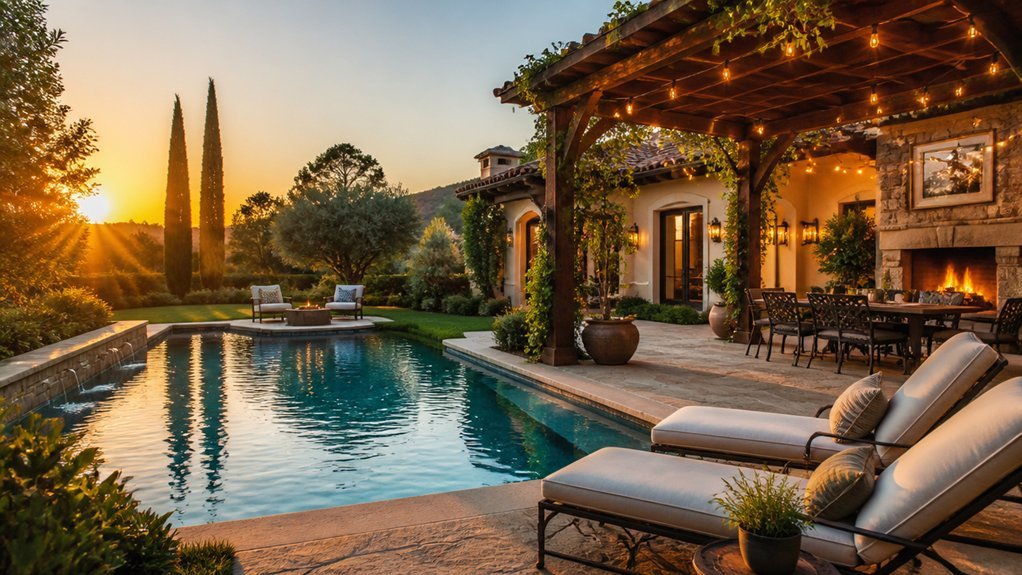
Rental properties today compete on far more than price and location alone. Outdoor amenities have become a genuine differentiator, with features like curated landscaping, fire pits, dedicated pet areas, and strategic lighting improvements shaping how prospective tenants evaluate their options. These upgrades typically drive rent increases in the range of 5 to 12 percent, making them a worthwhile consideration for owners looking to maximize returns.
Property managers must weigh several factors when selecting which amenities to pursue. Not every upgrade delivers equal value, and local market conditions heavily influence tenant priorities. A fire pit might resonate in cooler climates, while shaded pet runs prove more compelling in warmer regions where outdoor living extends year-round.
Implementation costs represent only part of the financial picture. Liability exposure, ongoing maintenance demands, and insurance implications all factor into the true cost of any outdoor improvement. Smart planning means reviewing these elements before breaking ground rather than confronting surprises after installation.
The most successful property upgrades balance immediate visual appeal with lasting functional value. Tenants increasingly seek spaces that feel intentional and usable, not merely decorative. When outdoor amenities genuinely enhance daily life, they justify premium pricing and strengthen long-term tenant retention in competitive markets.
High-ROI Outdoor Amenities You Can Install This Year
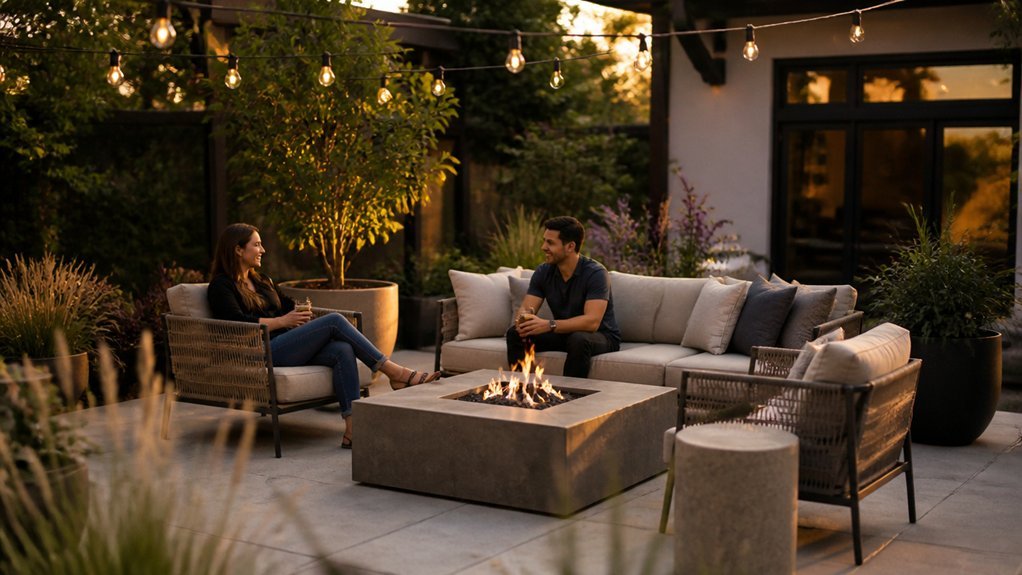
Investment in outdoor amenities represents a practical approach to increasing rental property value and tenant appeal. Property managers can install several high-return features this year.
Improved landscaping, including maintained gardens and shrubs, enhances curb appeal without excessive cost. Fire pits or outdoor seating areas encourage tenant gatherings. Upgraded lighting systems improve safety and evening usability.
Parking improvements, such as fresh striping or surface repairs, address functional concerns. Bike storage facilities appeal to environmentally conscious renters. Small water features or fountains add visual interest.
These amenities typically cost between five hundred and five thousand dollars, depending on scope and quality.
Pet-Friendly Features That Attract Quality Long-Term Tenants
Because pet ownership continues to rise among renters, property managers who accommodate animals gain access to a larger tenant pool and increase lease renewal rates.
Installing designated pet areas, including fenced dog runs and waste stations, demonstrates commitment to animal-friendly living. Properties featuring pet amenities typically command higher rents and experience lower vacancy rates.
Consider adding pet-washing stations, shaded rest areas, or dog parks with agility equipment. Durable, pet-resistant landscaping materials reduce maintenance costs.
Clear pet policies, breed restrictions, and pet deposit structures protect property assets while welcoming responsible owners. These features directly improve tenant satisfaction, reduce turnover expenses, and generate competitive market advantages.
Fire Pits and Gathering Areas for Year-Round Entertainment
Outdoor gathering spaces anchor community engagement and increase property appeal to prospective tenants.
Fire pits serve as functional focal points for year-round entertainment, especially during fall and winter months. Properties featuring these amenities report higher tenant satisfaction and retention rates.
Well-designed gathering areas include seating arrangements, weather-resistant furniture, and adequate lighting. Stone or metal fire pit structures, paired with Adirondack chairs or benches, create practical social spaces.
Landlords should consider safety features, including fire extinguishers and clearance distances from structures. Maintained gathering areas demonstrate property investment and attract tenants seeking community-oriented living environments.
Landscaping and Gardens: Curb Appeal That Commands Higher Rent
Manicured landscapes function as the visual gateway to rental properties, directly influencing tenant perception and rental pricing potential. Well-maintained gardens, native plantings, and defined pathways enhance curb appeal while reducing maintenance costs.
Strategic use of shrubs, seasonal flowers, and mulched beds creates visual interest and demonstrates property care. Hardscaping elements like gravel pathways, decorative borders, and edging establish structure. Low-maintenance options include ornamental grasses, evergreen plantings, and drought-resistant vegetation, which appeal to tenants seeking sustainability.
Regular lawn care, weed management, and seasonal updates prevent property deterioration. Attractive landscaping justifies premium rental rates and reduces vacancy periods by increasing initial property appeal to prospective tenants.
Outdoor Wellness Spaces That Compete With Gym Memberships
While landscaping establishes the visual foundation of rental appeal, amenities that address tenant wellness create additional value and justify higher rents.
Outdoor fitness stations featuring pull-up bars, parallel bars, and resistance equipment require minimal maintenance while attracting health-conscious renters.
Yoga platforms, meditation areas with seating, and walking trails encourage regular use without ongoing fees.
Properties incorporating these features reduce tenant dependency on gym memberships, positioning themselves as all-encompassing lifestyle solutions.
Yoga mats, resistance bands, and signage indicating exercise routines enhance usability. Such amenities differentiate rental properties in competitive markets, appeal to wellness-focused demographics, and support long-term tenant retention through tangible health benefits.
Quick Wins: Outdoor Upgrades Under $5,000 With Proven Returns
Budget-conscious property managers can achieve measurable rental value increases through strategic, low-cost outdoor improvements.
Installing basic seating areas, such as wooden benches or plastic chairs, costs $300 to $800 and appeals to tenants seeking outdoor relaxation spaces.
Adding landscape lighting, typically $400 to $1,200, enhances safety and usability during evening hours.
Pressure washing existing patios and walkways, ranging $200 to $600, considerably improves curb appeal without requiring replacement.
Installing raised garden beds for $500 to $1,500 attracts environmentally conscious renters.
These upgrades collectively require minimal capital investment while demonstrating documented rental rate improvements of 5 to 12 percent.
Maintenance and Liability: What Property Managers Need to Know
Installing outdoor amenities increases rental appeal. Yet, property managers must recognize that these additions create ongoing maintenance obligations and potential liability exposure. Swimming pools, hot tubs, and trampolines require regular inspections, cleaning, and repairs.
Property managers should implement documented maintenance schedules, maintain adequate insurance coverage, and establish clear tenant rules regarding amenity use. Attractive nuisances like playground equipment demand safety inspections and prompt hazard remediation.
Liability concerns escalate with high-risk features. Inadequate maintenance records can expose property owners to negligence claims. Professional management practices, including regular upkeep documentation and thorough liability insurance, effectively mitigate financial and legal risks associated with outdoor amenities.
Frequently Asked Questions
How Do Outdoor Amenities Impact Property Insurance Premiums and Coverage?
Outdoor amenities can increase property insurance premiums due to heightened liability risks. Swimming pools, trampolines, and hot tubs typically require additional coverage. Insurers assess injury potential and maintenance requirements when determining rates and policy conditions.
What Permits or Zoning Regulations Apply to Installing Outdoor Features?
Property owners must verify local zoning ordinances before installing outdoor amenities. Building permits typically apply to pools, hot tubs, and structures. Setback requirements, height restrictions, and homeowner association rules often govern installations, varying considerably by jurisdiction.
How Can Seasonal Weather Affect Outdoor Amenity Usage and Maintenance Costs?
Studies show outdoor amenity maintenance costs increase 40% during winter months. Seasonal weather impacts usage patterns considerably—pools freeze, patios accumulate debris, and landscaping requires dormant-season care. Property managers must budget accordingly, adjusting maintenance schedules and staffing to accommodate climate-driven demand fluctuations throughout the year.
What’s the Typical ROI Timeline for Outdoor Amenity Investments?
Outdoor amenity investments typically generate returns within 3-5 years. Property owners experience increased rental rates, reduced vacancy periods, and enhanced tenant retention. Premium amenities like pools or landscaping may require longer timelines but ultimately command higher market values.
How Do Outdoor Amenities Influence Tenant Retention Rates and Lease Renewals?
Apparently, tenants prefer staring at walls rather than enjoying gardens. However, properties offering patios, landscaping, and recreational spaces actually experience notably higher renewal rates, as residents develop genuine community connections and lifestyle satisfaction.
Conclusion
Property owners who invest in outdoor amenities plant seeds for long-term growth. Fire pits, landscaping, pet areas, and lighting transform underused spaces into tenant magnets. These improvements, costing under $5,000 to thousands of dollars, typically yield rental increases of 5 to 12 percent. Strategic outdoor enhancements reduce vacancy periods, attract quality tenants, and build community. The return flows steadily back to owners through sustained higher rents and stronger tenant retention rates.