
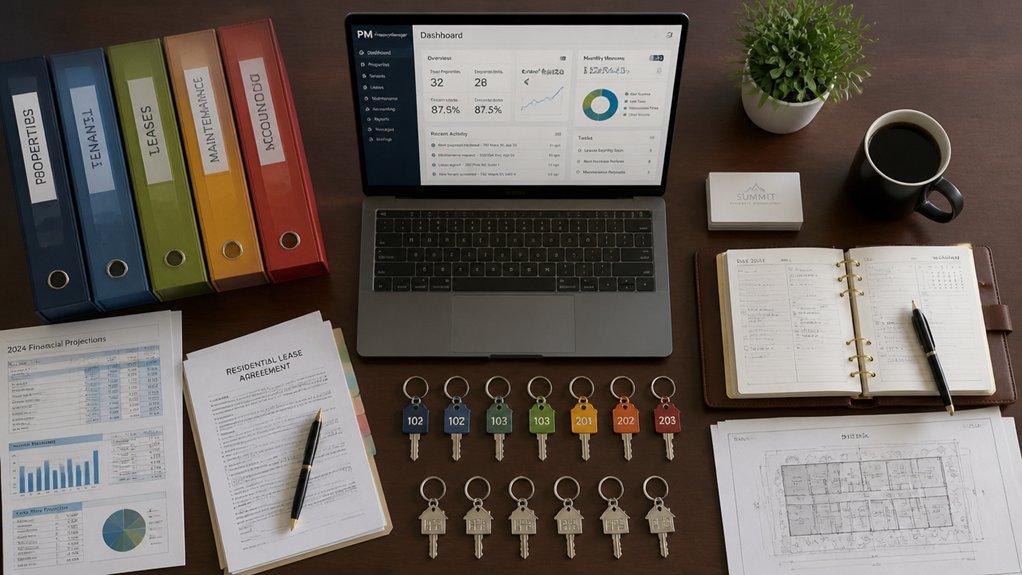
Crafting a solid rental property management plan means looking closely at a few core areas that keep everything running. Lease agreements need to be airtight, tenant screening thorough, and maintenance schedules predictable. Financial tracking and legal compliance round out the foundation, protecting both the investment and the people living in it.
Property owners should build out clear procedures for the day-to-day realities of the job. Rent collection needs to be consistent and fair, emergency responses swift and well-rehearsed, and performance evaluations honest and regular. When these systems are in place, operations tend to hum along without constant firefighting.
The connection between these pieces matters more than many realize. A overlooked maintenance issue can spiral into a legal headache; a rushed tenant screening can lead to months of lost income. Smart landlords treat the management plan as a living document, adjusting as properties and markets change.
Draft a Lease Agreement That Protects Your Interests
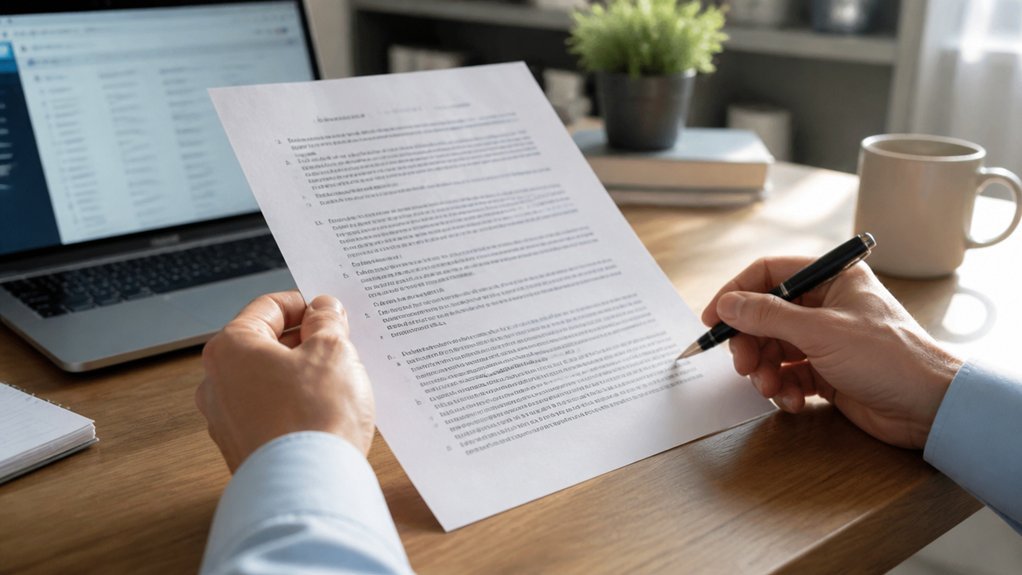
A lease agreement serves as the legal foundation between a property owner and tenant, outlining the rights, responsibilities, and expectations for both parties. The document should specify rent amount, due date, and late payment penalties.
Include lease duration, typically one year, and conditions for renewal or termination.
Address maintenance responsibilities, security deposit amounts, and pet policies. Clarify utility payment arrangements and rules regarding alterations to the property.
Document procedures for repairs and emergency contacts. Specify consequences for lease violations, including eviction grounds.
Having a thorough, legally compliant lease protects both parties and reduces disputes.
Screen Tenants With a Consistent, Fair Process
Selecting reliable tenants requires establishing standardized screening procedures that apply equally to all applicants.
Property managers should verify income, typically requesting pay stubs or tax returns showing earnings at least three times the monthly rent. Credit checks reveal payment history and outstanding debts.
Background screenings identify criminal records or eviction history. Reference checks from previous landlords confirm tenant reliability.
Rental applications should request identical information from each candidate, preventing discrimination claims. Documentation of screening criteria and results protects against legal disputes.
Consistent application of standards guarantees fair treatment while reducing problem tenants and vacancy rates.
Create a Preventive Maintenance Schedule
Regular maintenance prevents costly repairs, extends property lifespan, and keeps tenants satisfied. Property managers should schedule inspections quarterly, checking HVAC systems, plumbing, roofing, and appliances.
Document all maintenance activities in a centralized log, noting dates, repairs completed, and contractor information. Establish replacement timelines for major components: furnaces typically last fifteen years, water heaters ten years, and roofs twenty-five years.
Create a budget line for routine maintenance costs, typically one percent of property value annually. Communicate maintenance schedules to tenants in advance, minimizing disruption.
Address minor issues promptly before they escalate into expensive problems requiring emergency repairs.
Set Up Rent Collection and Financial Tracking
While preventive maintenance protects the physical property, managing rent collection and financial records protects the property manager’s income and legal standing.
Establish a consistent rent collection schedule, specifying due dates and payment methods like bank transfers or check deposits. Implement accounting software such as QuickBooks or Landlord Studio to track income, expenses, and tax deductions automatically.
Create separate bank accounts for rental income and property expenses to maintain clear financial separation. Document all transactions thoroughly, including maintenance costs, utilities paid, and tenant communications.
Maintain organized files containing lease agreements, payment receipts, and maintenance records. Regular financial review guarantees accurate reporting for tax purposes and identifies spending patterns.
Build an Emergency Response Plan
Unexpected situations like fires, floods, gas leaks, or severe weather can damage property and endanger tenants, requiring a prepared response plan. Property managers should establish emergency procedures, contact lists, and communication protocols before disasters occur.
Document emergency numbers for local fire departments, police, and utilities. Identify evacuation routes and assembly points on the property. Create tenant notification procedures using phone calls, texts, or emails.
Maintain emergency supplies including first aid kits and flashlights. Review the plan annually, update contact information, and guarantee all staff understand their responsibilities during crises.
Ensure Compliance With Fair Housing and Local Laws
Multiple federal, state, and local laws govern rental property operations, requiring property managers to understand and follow housing regulations, tenant protections, and nondiscrimination requirements.
The Fair Housing Act prohibits discrimination based on race, color, religion, sex, national origin, disability, and familial status.
Property managers must apply consistent screening criteria to all applicants, maintain accurate records of rental decisions, and guarantee accessible facilities for tenants with disabilities.
Local ordinances may impose additional rules regarding rent increases, lease terms, and maintenance standards.
Regular compliance audits and staff training help prevent violations.
Consulting legal professionals guarantees adherence to current regulations and reduces liability risks.
Evaluate Your Property’s Performance and Adjust
After establishing a compliant operational framework, property managers must regularly assess how well their rental properties perform financially and operationally. This evaluation involves tracking rental income, vacancy rates, maintenance costs, and tenant satisfaction metrics.
Managers should review financial statements quarterly, comparing actual expenses against budgeted amounts. If vacancy rates exceed 10%, strategies like competitive pricing adjustments or improved marketing may be necessary.
Performance data guides decisions about rent increases, property upgrades, or staffing changes. Regular assessments identify underperforming areas early, enabling timely corrections before problems escalate into significant losses or tenant disputes.
Frequently Asked Questions
What Insurance Coverage Do I Need for My Rental Property?
A property owner should obtain landlord insurance, which covers the building structure, liability protection, and loss of rental income. Additionally, one should consider umbrella policies and guarantee adequate coverage for potential property damage and tenant-related incidents.
How Often Should I Raise Rent on Existing Tenants?
Landlords typically raise rent annually, reviewing market rates yearly, adjusting strategically yearly. Most increase rent every twelve months, though some prefer biennial adjustments. Local laws govern maximum increases; many areas limit annual hikes to three to five percent.
What’s the Best Way to Handle Security Deposit Disputes?
Landlords should document the property’s condition thoroughly before tenancy begins. When disputes arise, they compare move-in and move-out photos, receipts, and inspection reports. Most jurisdictions require itemized deductions and timely return of deposits with written explanations supporting any deductions claimed.
Should I Use a Property Manager or Manage Myself?
Like a captain steering through treacherous waters, owners must weigh their expertise and availability. Self-management saves costs but demands time, knowledge, and constant attention. Professional managers handle tenant relations, maintenance, and legal compliance, freeing owners from daily responsibilities.
How Do I Handle Tenant Complaints About Other Tenants?
A property manager should document all complaints in writing, investigate promptly, and address lease violations fairly. They communicate findings to involved parties, enforce consistent policies, and mediate disputes while maintaining confidentiality and professionalism throughout the process.
Conclusion
Implementing a thorough rental property management plan requires attention to lease agreements, tenant screening, maintenance, and financial tracking. Property owners who follow these steps keep all their eggs in one basket by centralizing operations, reducing risks, and improving profitability. Regular performance evaluation allows adjustments to strategies, ensuring compliance with laws and sustained tenant satisfaction. Successful management depends on consistency, documentation, and proactive problem-solving throughout the property’s operational lifecycle.