
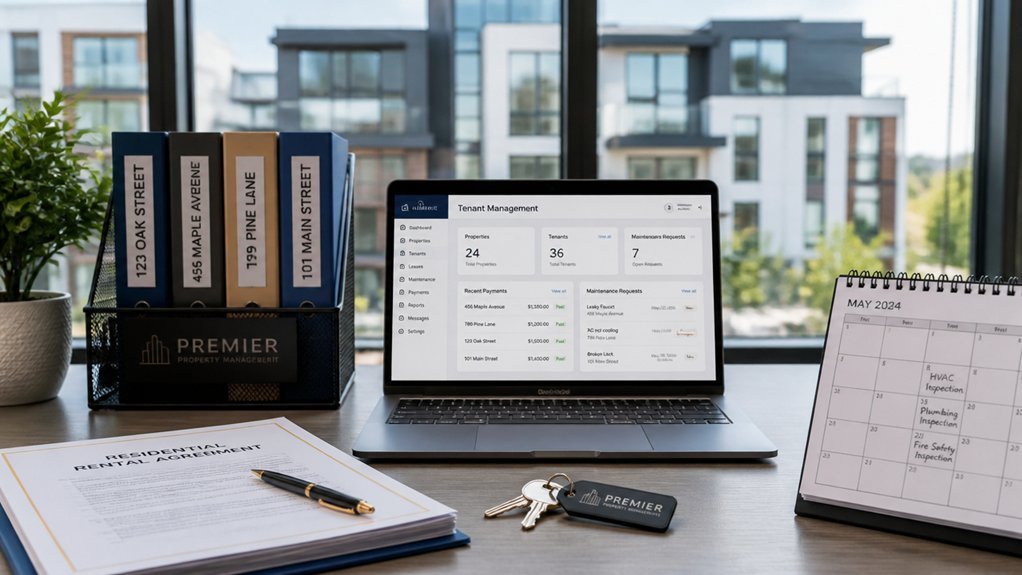
Property management touches every part of owning rental real estate. From finding qualified tenants to chasing late payments, the workload adds up fast. Most owners discover that day-to-day operations consume far more hours than they anticipated.
A manager’s role spans several critical areas. They screen applicants thoroughly, coordinate maintenance requests, and ensure local regulations are met. Each task demands specialized knowledge that many owners simply lack. Rather than learning landlord-tenant law or plumbing basics, investors often prefer delegating these headaches.
The financial question deserves honest examination. Management fees typically range from 8% to 12% of monthly rent, which can feel steep. Yet this cost must be weighed against vacancy reduction, legal protection, and reclaimed personal time. For some owners, professional management preserves sanity and protects long-term returns.
What Do Property Managers Actually Handle?

Property managers handle the day-to-day operations of rental properties, managing tasks that landlords either cannot or prefer not to do themselves. They collect rent payments, process late fees, and maintain financial records for each unit.
Property managers advertise vacancies, screen tenants, and conduct background checks before approvals. They schedule repairs, coordinate contractors, and guarantee maintenance issues receive prompt attention.
Managers also handle lease enforcement, document violations, and initiate evictions when necessary. They respond to tenant complaints, conduct property inspections, and manage utility arrangements.
Additionally, property managers prepare tax documents, track expenses, and provide owners with regular financial reports on property performance.
How to Find and Screen Quality Tenants
Finding reliable tenants requires a systematic approach involving advertising, applications, and background verification.
Property managers post listings on rental websites, collect completed applications from interested candidates, and conduct thorough background checks.
These checks examine credit history, employment verification, and previous landlord references. Managers review rental payment history, eviction records, and income levels, typically requiring tenants to earn at least three times the monthly rent. Criminal background screening also occurs during this process.
Once qualified candidates are identified, lease agreements are prepared and signed. This screening process reduces risks associated with late payments, property damage, and lease violations.
Where Your Rent Money Goes: Collection and Reporting
Once tenants begin occupying the property, rent collection becomes a central responsibility of property management. Property managers establish payment methods, such as online portals, checks, or automatic transfers, ensuring consistent income flow. They track payments, document late arrivals, and enforce lease terms regarding dues.
Monthly reporting provides owners with detailed statements, including rental income received, outstanding balances, and collection efforts. Managers handle late fees, send reminders, and initiate eviction procedures when necessary.
Clear financial records maintain transparency between owners and managers. Proper collection systems protect cash flow while documented reporting demonstrates how rental income is managed and allocated throughout the year.
When Something Breaks: Maintenance and Emergency Response
Maintenance requests and unexpected breakdowns form a significant part of property management responsibilities. Property managers receive tenant reports about issues, assess urgency levels, and coordinate repairs with qualified contractors.
Emergency situations, including burst pipes, electrical failures, and heating system malfunctions, require immediate attention to prevent property damage and tenant safety risks.
Routine maintenance tasks involve HVAC servicing, gutter cleaning, and appliance inspections.
Managers document all repair work, track expenses, and guarantee repairs meet local building codes. They maintain contractor relationships, compare quotes, and manage budgets to control costs while maintaining property quality and tenant satisfaction.
Staying Legally Protected: Compliance and Liability
As property managers navigate tenant relationships and maintenance schedules, legal compliance becomes equally critical to daily operations. Property managers must maintain liability insurance, document all tenant communications, and verify housing code adherence.
They handle fair housing law compliance, security deposit regulations, and eviction procedures correctly. Regular property inspections, safety certifications, and maintenance records protect owners from lawsuits.
Managers keep detailed files on lease agreements, repair requests, and incident reports. Understanding local rental laws, state regulations, and federal requirements prevents costly violations.
Professional property managers stay current on changing legislation, reducing legal risks and protecting rental investment value considerably.
What Property Management Actually Costs
How much does professional property management actually cost rental owners? Fees typically range from eight to twelve percent of monthly rental income, though rates vary by location and property type.
Additional costs include leasing fees, ranging from fifty to one hundred dollars per tenant, maintenance markup charges of ten to twenty percent on repairs, and eviction expenses between five hundred to two thousand dollars.
Some companies charge flat monthly rates instead of percentage-based fees.
Owners should request detailed fee breakdowns before signing contracts, comparing service inclusions across multiple management companies to understand total expenses.
Should You Hire a Manager or Go Solo?
Deciding between professional management and self-management requires rental owners to evaluate their time, expertise, and financial situation.
Self-management saves money but demands significant personal effort, including tenant screening, rent collection, maintenance coordination, and legal compliance.
Hiring a property manager costs 8-12% of monthly rent, yet handles these responsibilities professionally. Owners with one or two properties may manage solo effectively.
Those with multiple units, limited availability, or minimal landlord experience typically benefit from hiring professionals.
Consider local market conditions, tenant complexity, and personal bandwidth when making this decision.
Frequently Asked Questions
Can Property Managers Help Increase My Rental Property’s Value or Appeal?
Property managers enhance rental properties through strategic maintenance, regular upkeep, and professional tenant screening. They guarantee properties remain well-maintained, competitively priced, and attract quality tenants, thereby preserving and potentially increasing property value and market appeal over time.
What Happens if a Tenant Breaks Their Lease Agreement Early?
When a tenant breaks their lease early, property managers typically pursue several remedies. They may enforce penalties, seek remaining rent payments, or attempt to re-lease the property quickly. Legal action and security deposit forfeiture are also common consequences.
How Do Property Managers Handle Disputes Between Neighbors or Tenants?
Property managers mediate disputes by documenting complaints, reviewing lease terms, and facilitating communication between involved parties. They enforce community rules fairly, investigate incidents thoroughly, and escalate unresolved conflicts to legal counsel or eviction proceedings when necessary.
Are Property Managers Responsible if a Tenant Causes Property Damage?
Property managers typically are not liable for tenant-caused damage. However, they guarantee security deposits cover repairs and may pursue legal action against tenants for damages exceeding deposit amounts, protecting the owner’s investment interests.
Can I Switch Property Managers Mid-Lease Without Affecting My Tenants?
Yes, owners can switch property managers mid-lease without disrupting tenants. The change requires proper documentation transfer and notification to the tenant about the new manager’s contact information, ensuring continuity of lease management and rent collection procedures.
Conclusion
Property managers shoulder enormous responsibilities, juggling tenant screening, rent collection, maintenance emergencies, and legal compliance simultaneously. They process mountains of financial documents, coordinate countless repairs, and navigate complex housing regulations. For rental owners drowning in operational details, hiring a professional manager transforms chaos into order. The investment costs money, yet prevents costly mistakes, protects assets, and generates consistent income streams. Solo ownership demands relentless attention; professional management delivers reliable results.