
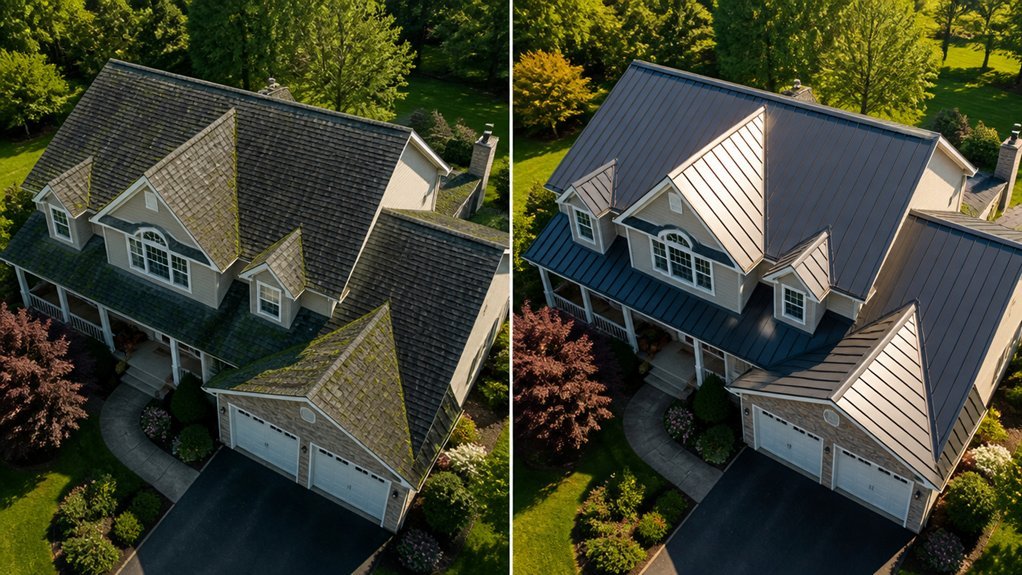
Selecting the right roofing material shapes a rental property’s financial health for years to come. Asphalt shingles appeal to budget-conscious owners with their low entry price, though the savings often evaporate through repeated repairs and earlier replacement cycles. The hidden costs of frequent maintenance visits and tenant complaints about leaks can quietly erode cash flow.
Metal roofing demands a steeper initial commitment, yet this investment typically pays dividends across multiple decades. These systems withstand severe weather with minimal intervention, reducing both emergency repair bills and the logistical headaches of coordinating work between tenants. Many landlords discover that higher upfront costs translate to predictable, lower annual expenses.
Tile and concrete alternatives occupy the premium tier, offering exceptional longevity alongside tangible insurance advantages. Some carriers reduce premiums for these fire-resistant, impact-rated materials, partially offsetting their purchase price. The weight requirements and structural considerations add complexity, but the decades of service often justify the planning involved.
The complete financial picture extends far beyond installation day. Climate exposure, local labor costs for repairs, and the anticipated holding period for the property all influence which roof truly costs less over time. Smart owners model these variables before signing contracts, recognizing that the cheapest bid rarely yields the lowest lifetime expense.
What Costs Actually Matter: Your Roofing Decision Framework
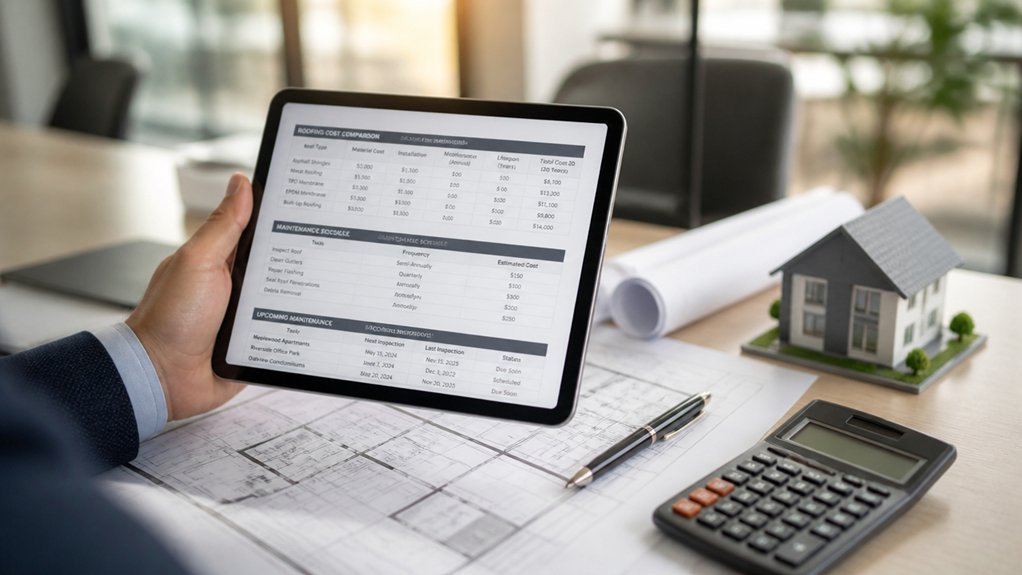
Selecting a roof for rental property requires evaluating multiple cost categories beyond the initial installation price. Owners must consider maintenance expenses, which vary greatly by material.
Asphalt shingles need regular inspections and repairs, typically costing $150-$500 annually. Metal roofing demands less upkeep but involves higher replacement costs.
Energy efficiency impacts utility bills significantly: cool roofs reduce cooling expenses by 10-20%. Insurance premiums fluctuate based on roof age and material type.
Lifespan matters greatly; asphalt lasts 15-20 years, while metal roofing extends 40-70 years. Property values increase with quality roofing.
Rental market conditions in specific regions determine which factors warrant priority investment decisions.
Asphalt Shingles: Low Upfront Cost, Frequent Repairs
Because asphalt shingles offer the lowest installation costs of any roofing material, they remain the most common choice for rental properties. A typical asphalt roof costs $3,000 to $5,000 to install, compared to $10,000 or more for metal or tile alternatives.
However, this initial savings often disappears through frequent repairs. Asphalt shingles typically last 15 to 20 years, requiring maintenance every 3 to 5 years. Common issues include missing shingles, granule loss, and leaks around flashing.
Tenants may report problems more frequently than with durable materials. Property owners should budget for regular inspections and patching costs throughout the roof’s lifespan.
Metal Roofing: Higher Initial Investment, Decades of Durability
Metal roofing presents a markedly different financial picture than asphalt shingles, one that favors long-term property owners willing to spend more upfront. Installation costs range from $8,000 to $15,000 for a typical rental property, roughly double asphalt expenses.
However, metal roofs withstand 40 to 70 years, requiring minimal maintenance. They resist wind, hail, and fire effectively. Property owners experience fewer leak repairs and replacement cycles. Insurance companies often discount premiums for metal roofs.
Over a 30-year ownership period, the higher initial investment typically yields lower total operating costs compared to multiple asphalt replacements and repairs.
Tile and Concrete: Premium Price, Insurance Savings
Tile and concrete roofing materials command the highest upfront costs among residential options, typically ranging from $15,000 to $25,000 for installation on a standard rental property.
Despite these substantial expenses, property owners often recoup investments through insurance premium reductions.
Insurance companies recognize tile and concrete roofs as fire-resistant and durable, offering discounts of 20-30% on policies. This durability extends 50+ years with minimal maintenance, reducing long-term replacement costs.
Tenants benefit from superior weather protection and noise reduction.
Owners should compare quotes from multiple insurers before installation, as savings vary by location, local building codes, and individual policy terms.
Flat Roofs in Multifamily Units: Where the Real Costs Hide
Flat roofs present a deceptive financial challenge for multifamily property owners, appearing economical initially but generating substantial hidden costs throughout their operational lifespan.
These roofs require frequent membrane repairs, drainage maintenance, and ponding water management.
A 10,000-square-foot flat roof might need $3,000 to $5,000 annually for upkeep. Membrane deterioration accelerates in high-temperature climates, reducing expected lifespan from 20 years to 12-15 years.
Tenants report more water damage claims, increasing insurance premiums by 15-25 percent. Emergency repairs during rainy seasons prove costlier than planned maintenance.
Property managers should budget conservatively for flat roof portfolios, accounting for accelerated replacement cycles and elevated liability exposure.
Energy Efficiency, Maintenance, and Climate: The Hidden Operating Factors
While roofing material selection dominates initial cost discussions, the interaction between roof type, regional climate, and building energy systems creates operational expenses that often exceed the original installation price.
Dark asphalt shingles absorb heat, increasing cooling costs in southern climates. Metal roofs reflect sunlight, reducing air conditioning demand. Flat roofs require more frequent maintenance in areas with snow or heavy rainfall. Climate zones determine replacement cycles: coastal regions accelerate degradation due to salt exposure.
Insulation values beneath roofing materials greatly impact heating and cooling expenses. Property owners should calculate long-term energy and maintenance costs alongside installation prices when comparing roofing options.
Calculate ROI: Lifespan, Maintenance, and Replacement
Because roof replacement represents one of the largest capital expenses in property management, calculating return on investment requires comparing three key factors: material lifespan, annual maintenance costs, and total replacement expenses.
Asphalt shingles last fifteen to twenty years, while metal roofing extends thirty to fifty years. Property managers should track maintenance spending annually, including inspections and repairs.
Then divide the total investment by the roof’s lifespan in years to determine annual costs.
Comparing asphalt versus metal reveals that higher upfront metal costs distribute across decades, potentially lowering yearly expenses and reducing tenant turnover from weather-related damage.
Frequently Asked Questions
How Do Local Building Codes and Zoning Regulations Affect Roofing Material Choices for Rentals?
Local building codes and zoning regulations mandate specific roofing materials, fire ratings, and installation standards for rental properties. These requirements restrict material selection, ensuring compliance with safety and environmental standards. Property owners must verify local ordinances before purchasing roofing materials to avoid costly modifications.
What Financing Options or Incentives Exist for Upgrading to Premium Roofing Materials?
Studies show property owners recover approximately 62% of premium roofing costs through increased property value. Financing options include FHA loans, energy-efficient tax credits, manufacturer rebates, and Property Assessed Clean Energy (PACE) programs designed specifically for rental property improvements.
Can Tenant Complaints About Roof Issues Affect Rental Rates and Property Competitiveness?
Yes, roof issues greatly impact rental competitiveness. Tenant complaints about leaks, deterioration, or poor maintenance create negative reviews, reduce occupancy rates, and enable renters to justify lower rent acceptance, ultimately diminishing property market value and desirability.
How Do Different Roofing Materials Impact Property Insurance Premiums and Deductibles?
Different roofing materials greatly affect insurance costs. Metal and slate roofs typically reduce premiums due to fire resistance and durability, while asphalt shingles may increase them. Insurers often lower deductibles for superior materials, reflecting decreased claim likelihood.
What Warranty Coverage Variations Exist Between Roofing Materials and Manufacturers?
Manufacturers offer varied warranties—some provide twenty-year coverage, others fifty years; some cover materials only, others include labor; some exclude weather damage, others encompass extensive protection. These distinctions notably affect long-term property maintenance costs.
Conclusion
Roofing material selection directly affects rental property profitability. Asphalt shingles cost less initially but require frequent repairs, while metal roofs demand higher upfront investment yet deliver lower long-term expenses. Research shows metal roofs reduce maintenance costs by up to 50% over their lifespan. Property owners should calculate total operating costs across 20-30 years, considering climate, energy efficiency, and insurance discounts. Thorough cost-benefit analysis guarantees informed decisions.